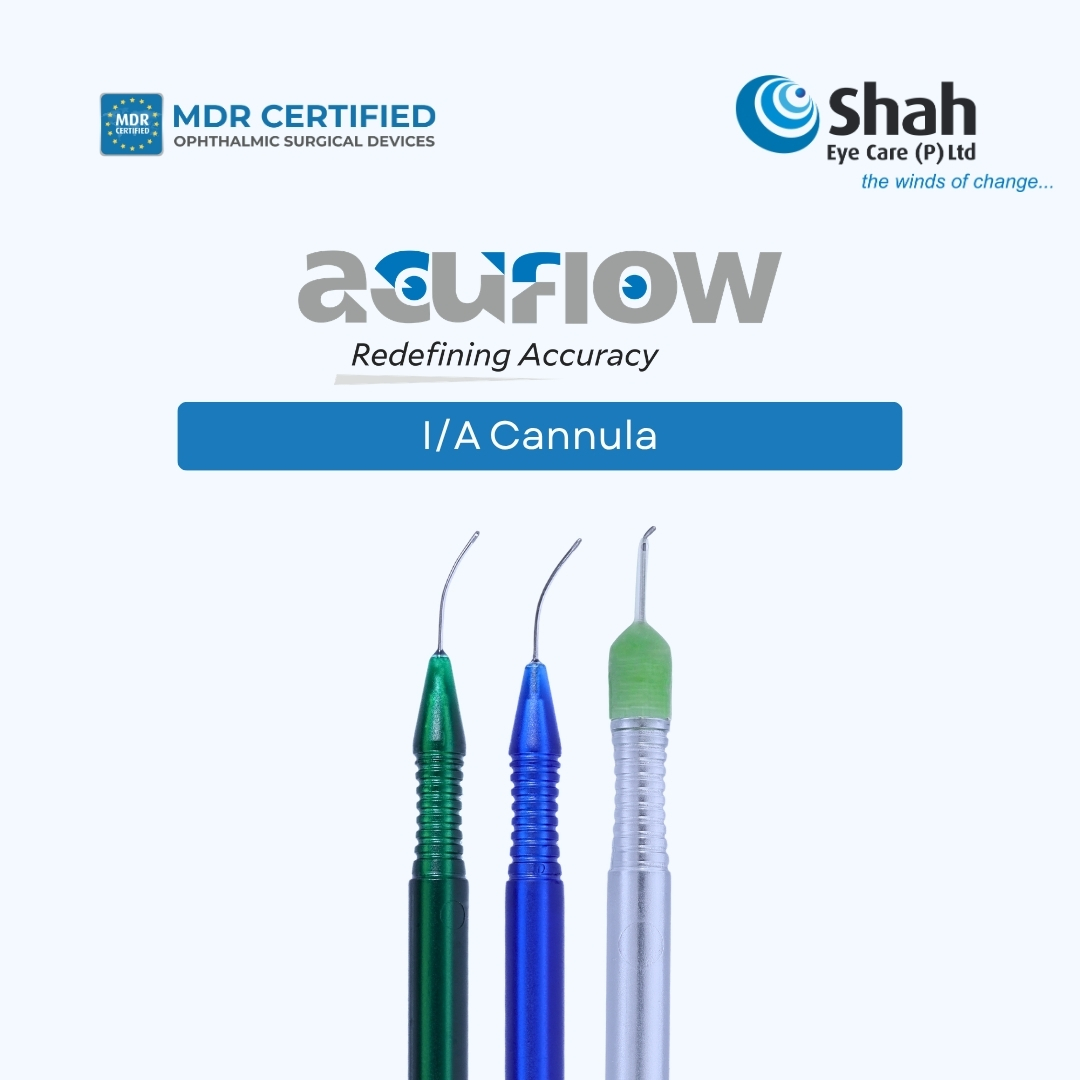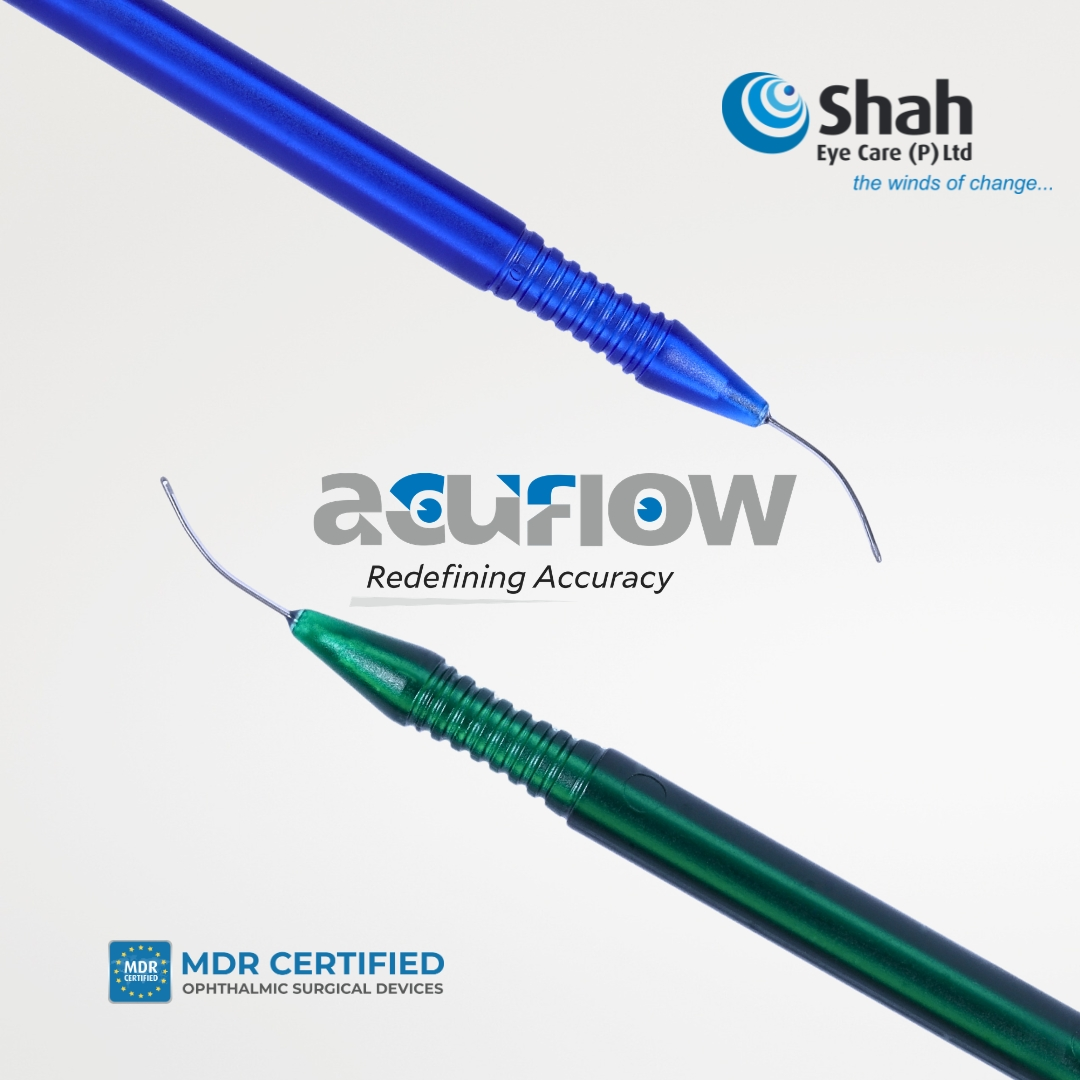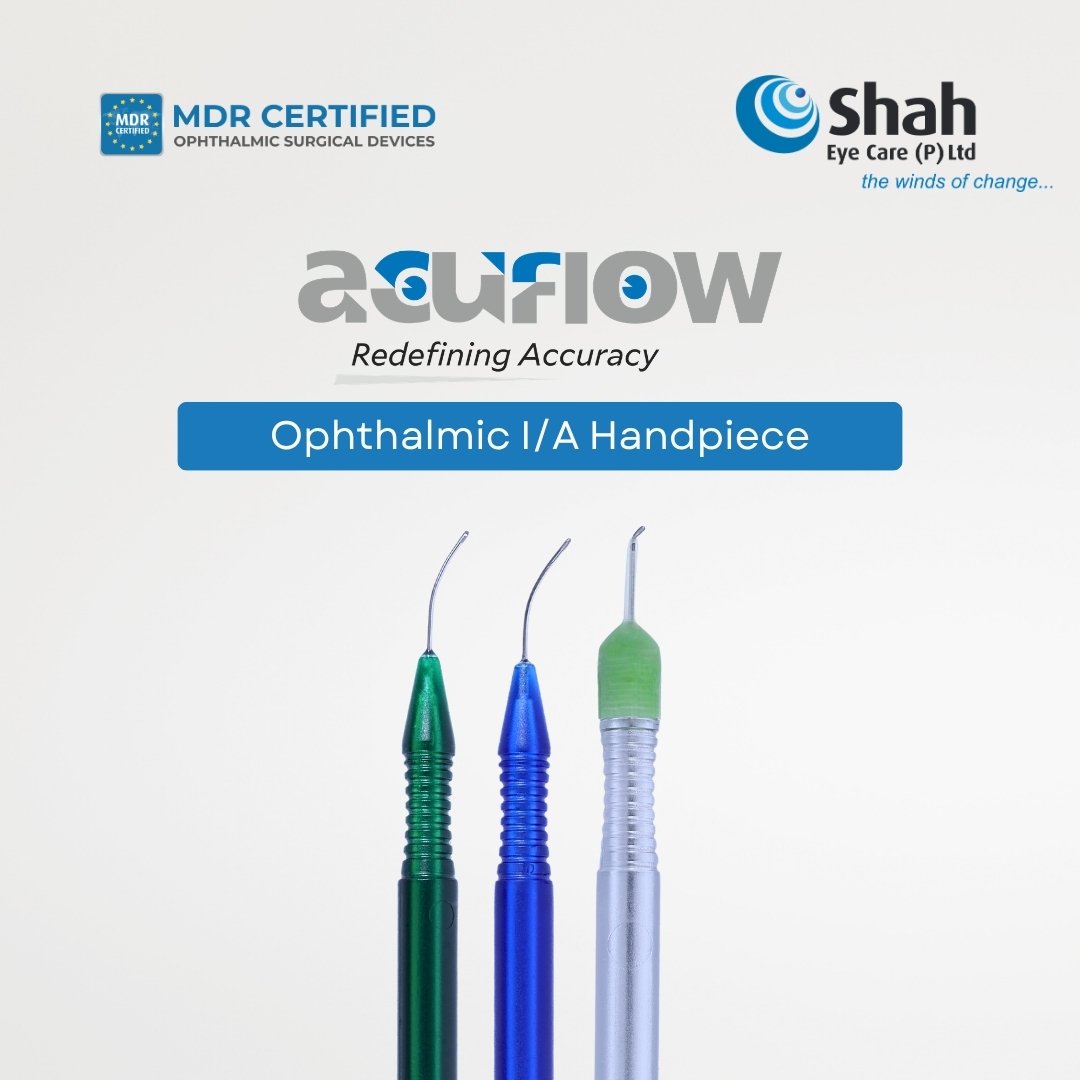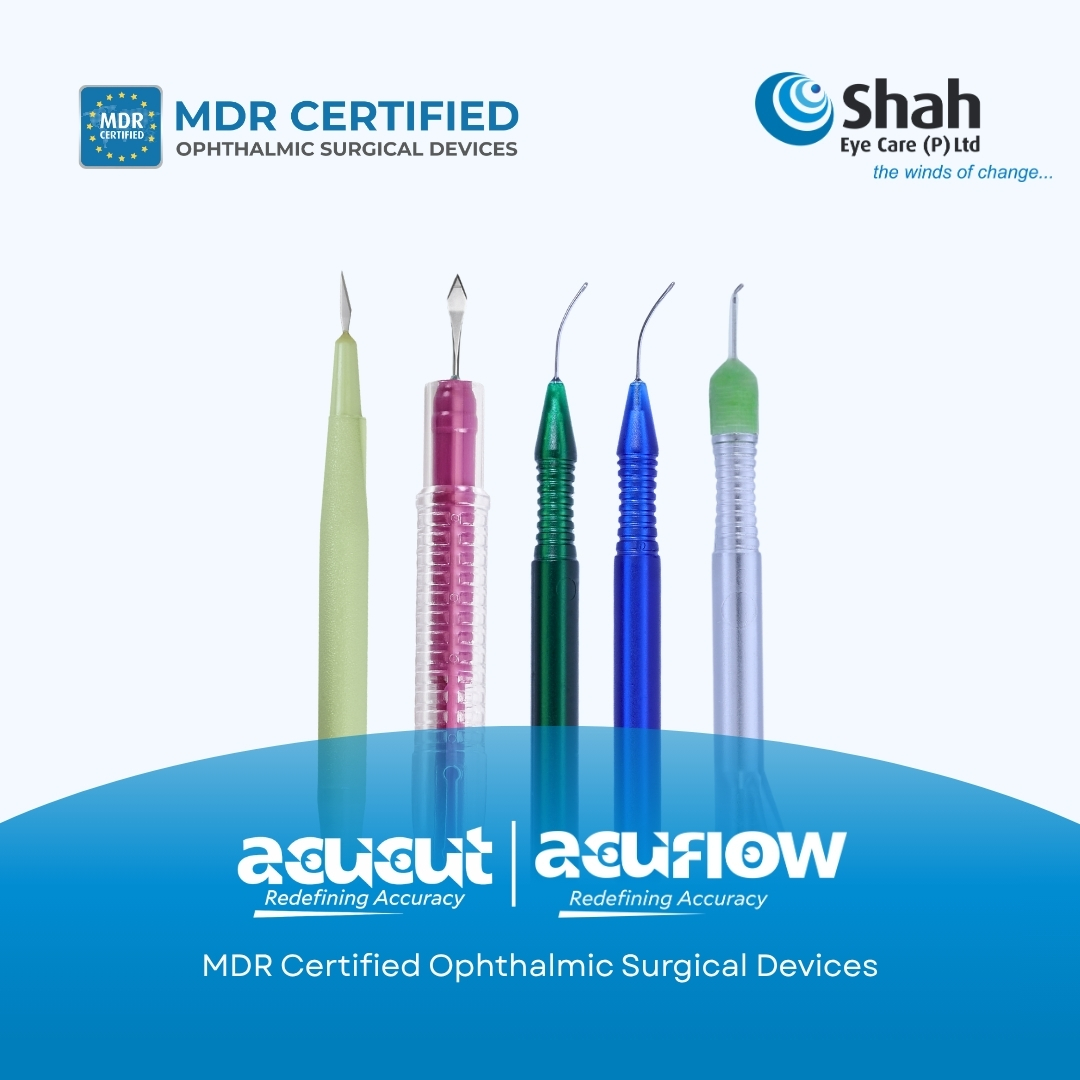
In ophthalmic surgery, different techniques call for different ways of working. One such approach is bimanual irrigation and aspiration, in which fluid delivery and fluid removal are handled through separate instruments. This is where Bimanual I/A Handpieces become relevant to the conversation around ophthalmic surgical equipment.
Rather than combining both functions into a single handpiece, the bimanual approach keeps them separate. This gives ophthalmic professionals an instrument configuration to consider according to their preferred technique and the requirements of the procedure.
A Different Approach to Irrigation and Aspiration
Irrigation and aspiration are two distinct functions used during cataract surgery. Irrigation introduces fluid, while aspiration removes fluid and residual material from the surgical area.
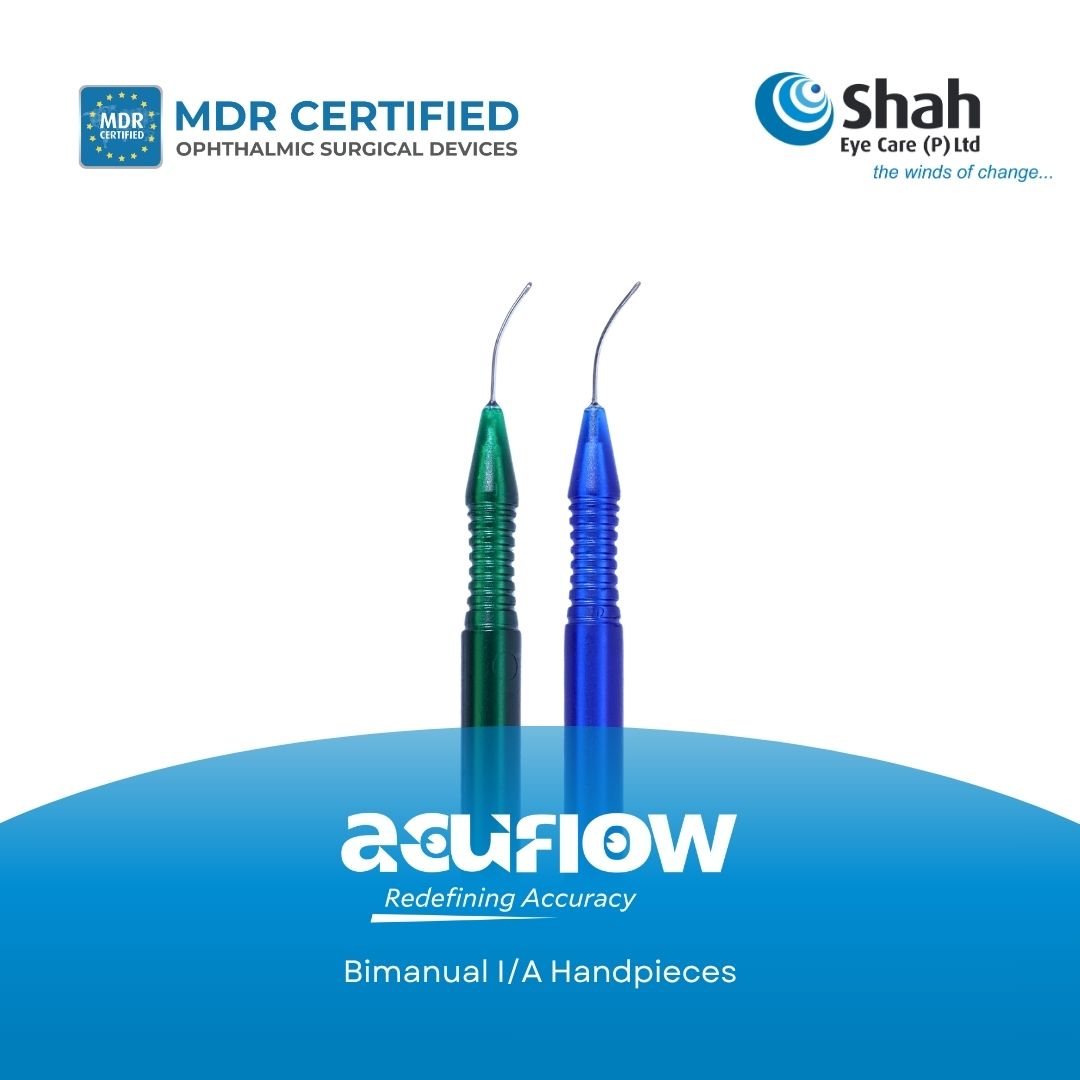
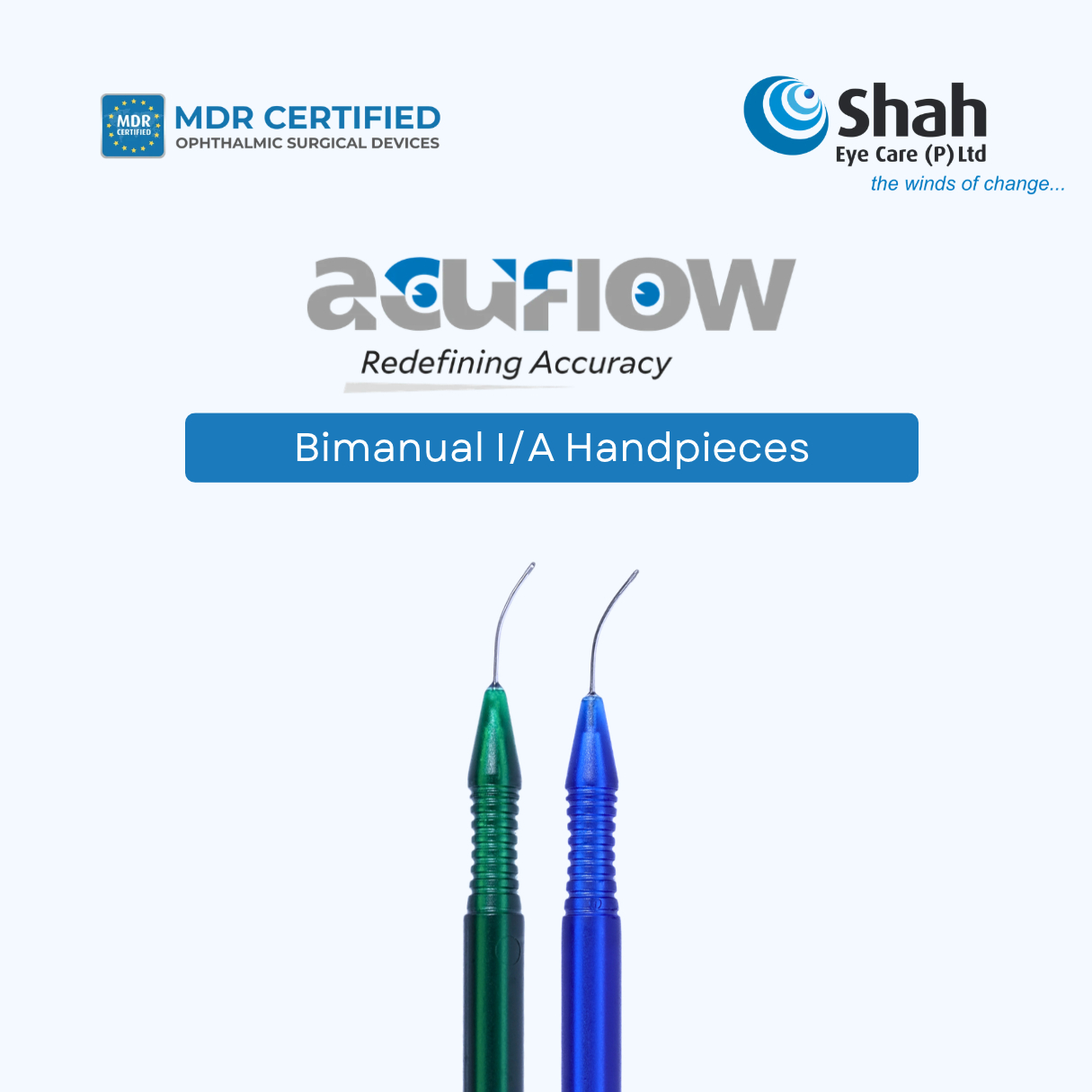
With bimanual I/A handpieces, these functions are performed using two separate handpieces. Each instrument has its own purpose within the overall setup, allowing the surgeon to position and operate them independently.
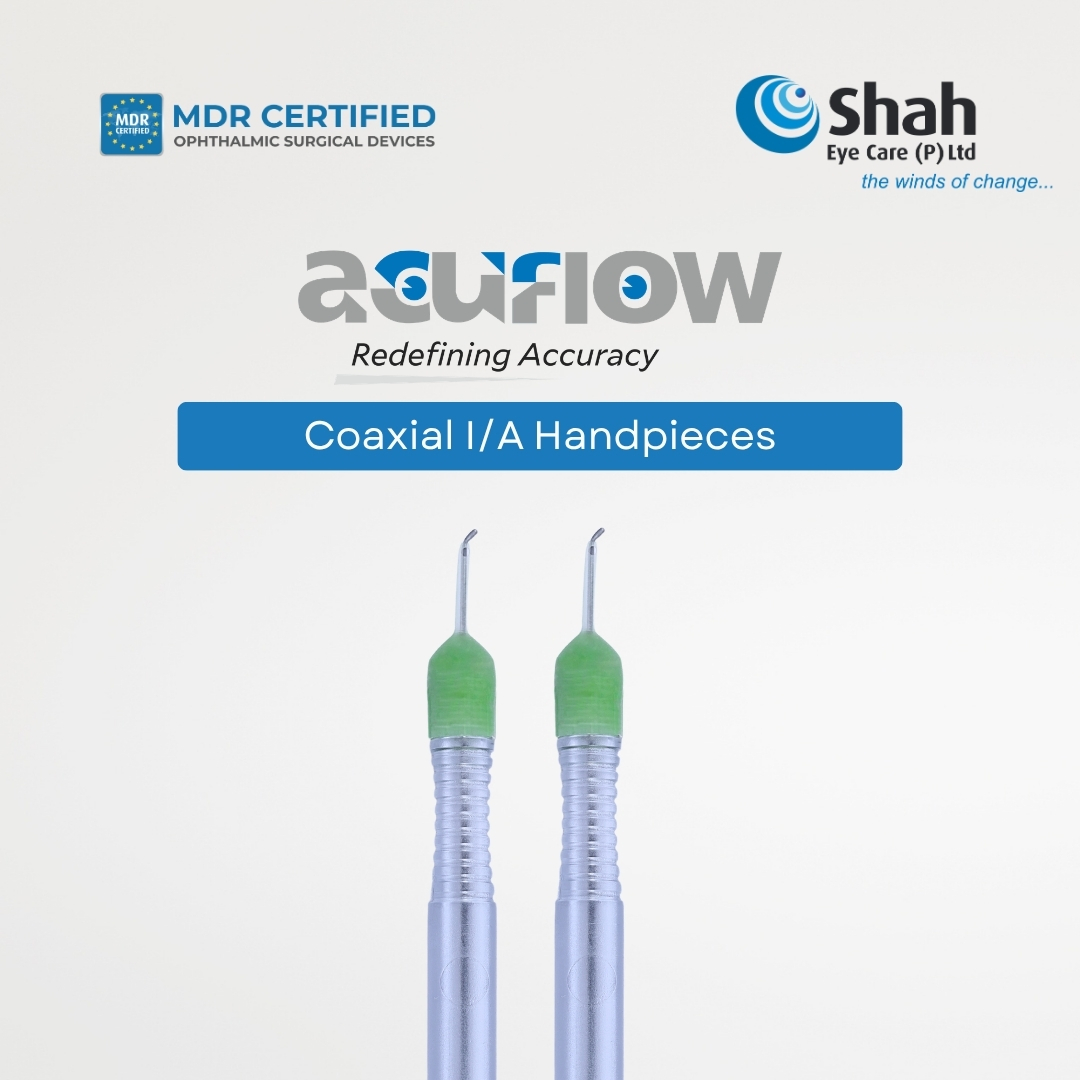
This arrangement differs from coaxial I/A systems, where irrigation and aspiration are incorporated into one instrument. The choice between these configurations depends on the surgical approach, equipment setup, and the surgeon’s preference.
Designed Around the Practicalities of Ophthalmic Work
Surgical instruments are selected according to their intended use and how they fit into a clinical workflow. With Bimanual I/A Handpieces, considerations may include the instrument configuration, handling, compatibility with the surgical system, and the requirements of the procedure.
These factors help professionals assess whether a particular instrument is suitable for their established technique. The focus is on understanding the available options and selecting equipment that matches the intended application.
Bimanual I/A Handpieces in Today’s Ophthalmic Landscape
Ophthalmic surgery uses a range of instruments designed for specific tasks. Bimanual I/A handpieces represent one of the available approaches to irrigation and aspiration, offering a separate-instrument arrangement for these two functions.
For healthcare professionals and surgical teams, familiarity with different instrument configurations can help when reviewing equipment options, planning a surgical setup, and checking compatibility with existing systems.
The discussion around ophthalmic instruments is not simply about individual products. It is also about how different designs accommodate different techniques and practical requirements.
Choosing an Instrument Configuration That Fits
There is no single configuration that applies to every surgical preference or setup. When evaluating Bimanual I/A Handpieces, professionals can review the intended application, product specifications, connection requirements, and relevant instructions for use.
A clear understanding of these details makes it easier to compare available options and identify instruments appropriate for the intended clinical setting.
A Closer Look at Bimanual I/A Handpieces
Bimanual I/A handpieces offer a distinct arrangement for irrigation and aspiration by assigning each function to a separate instrument. This makes them a relevant option within the wider range of equipment used in cataract surgery.
Exploring how this configuration differs from coaxial systems provides a useful starting point for understanding the choices available in ophthalmic surgical instruments.
Subscribe to our YouTube channel for more videos: https://www.youtube.com/@ShahEyeCare
Explore our Acuflow product for more information: https://shaheyecare.com/acuflow-bimanual-ia-handpieces/