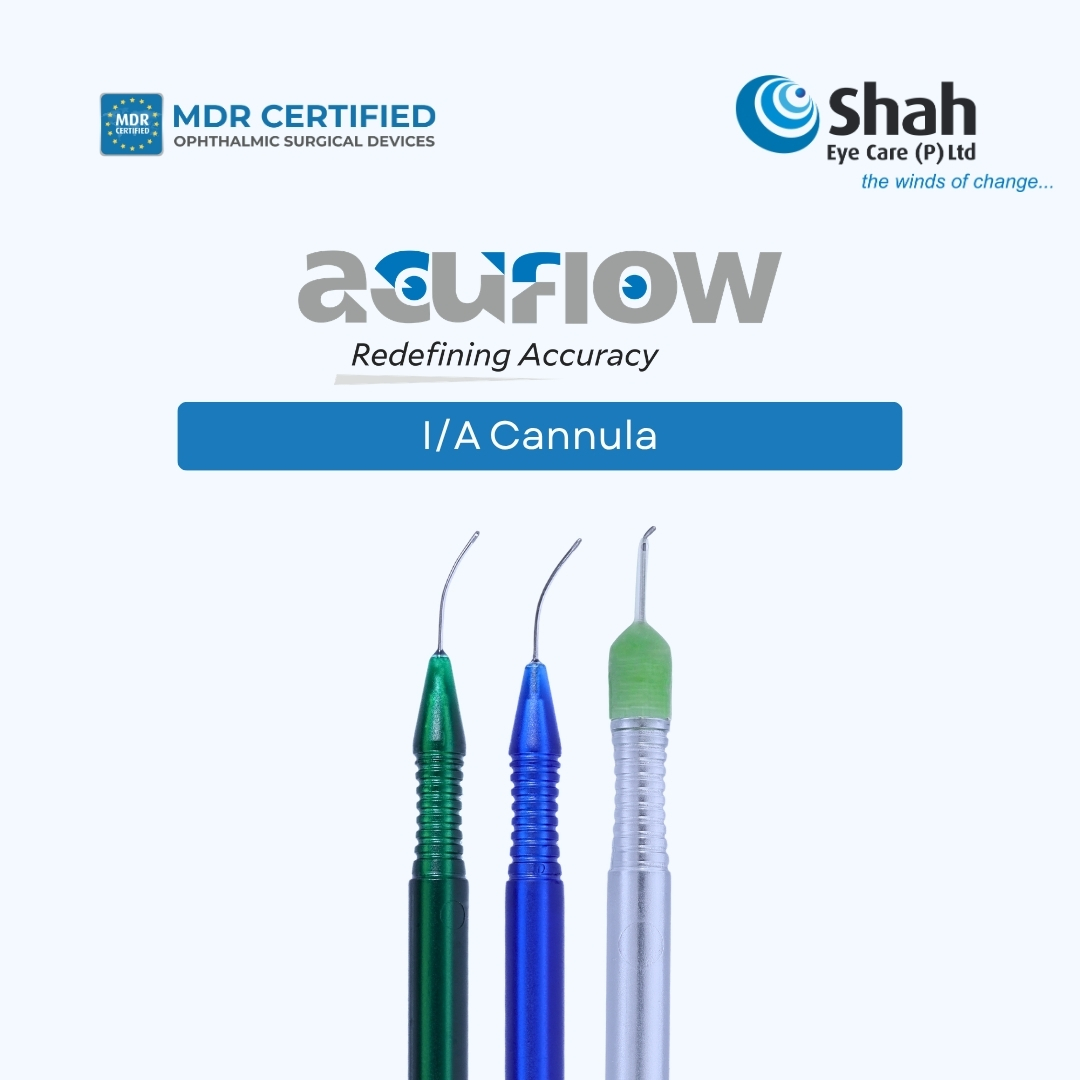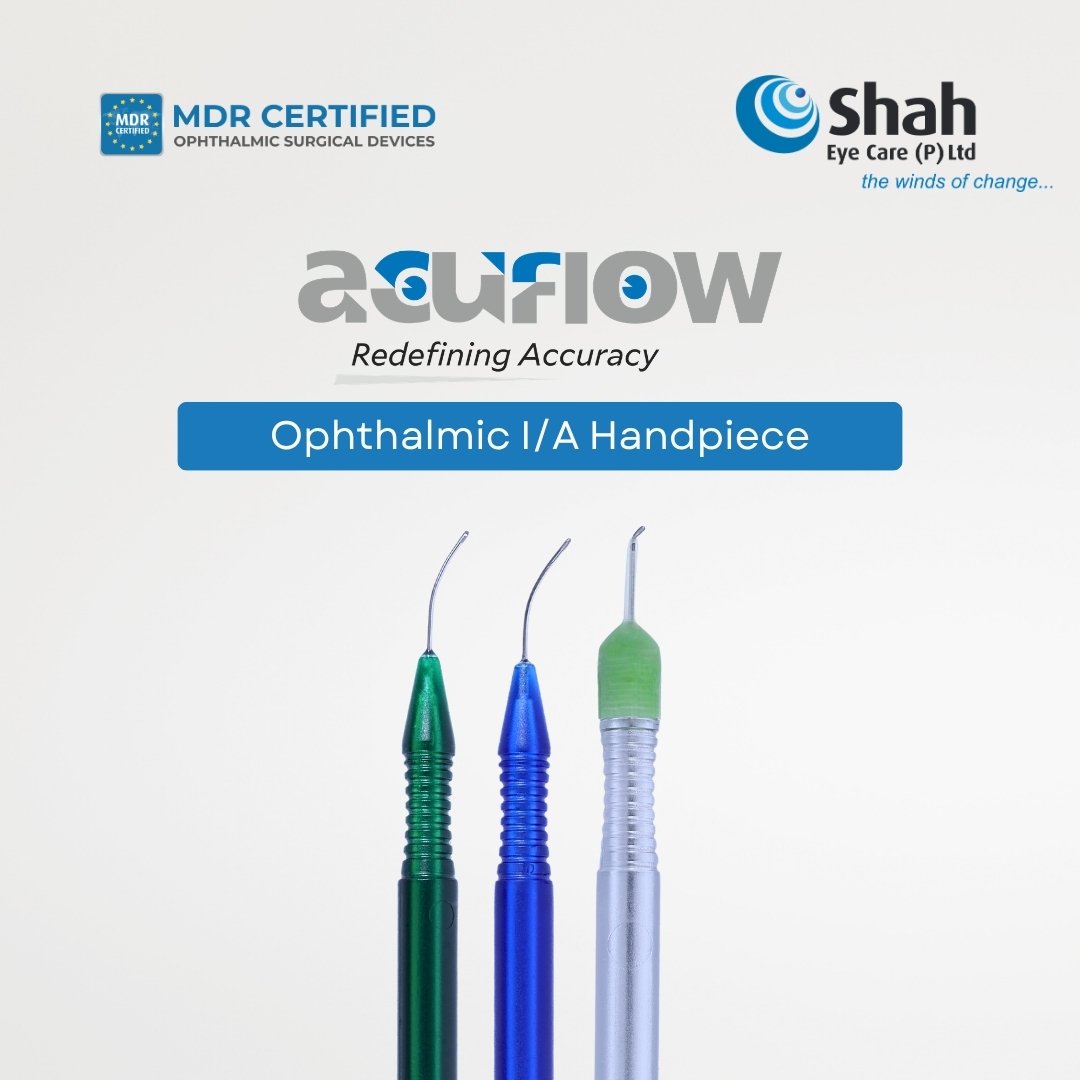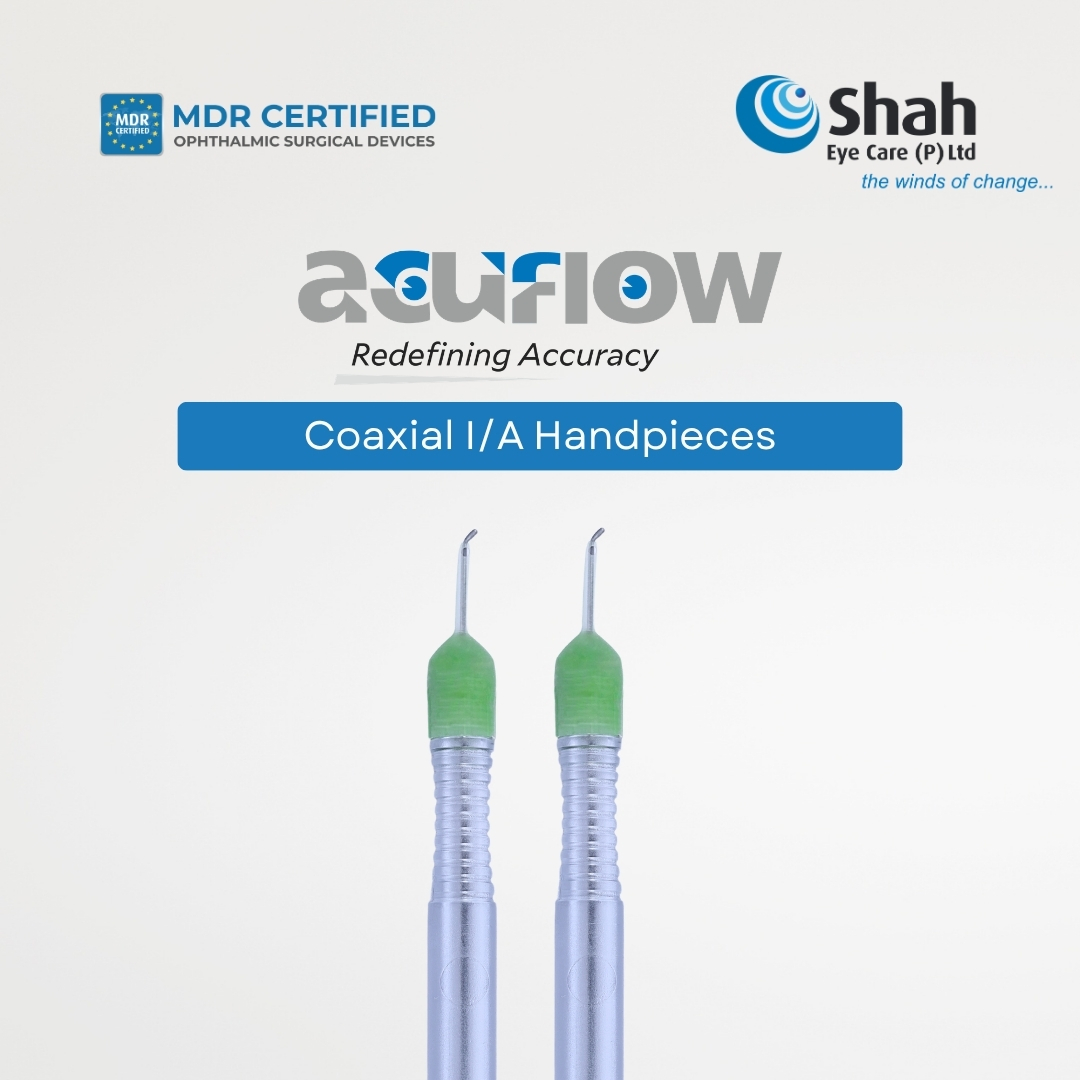
When it comes to ophthalmic surgery, the focus is naturally on the surgeon, the procedure and the patient. But behind every successful procedure, there is also a medical device that needs to meet demanding requirements for quality, safety and performance.
This is where MDR certification for Ophthalmic Microsurgical Blades becomes important. It represents more than a certification mark on a product. It reflects the importance of following controlled processes and maintaining consistent standards throughout the medical device journey.
MDR Certification and the Journey Towards Quality Ophthalmic Blades
Medical devices used in ophthalmic procedures need to be developed and manufactured with a strong focus on safety and quality. MDR certification brings attention to these requirements and places greater importance on how a medical device is controlled throughout its lifecycle.
For manufacturers, this means paying attention not only to the finished product but also to manufacturing processes, quality management, documentation and regulatory requirements.
For ophthalmic professionals and healthcare organisations, certification provides an additional point of confidence when evaluating medical devices for clinical use.
From Manufacturing Floor to Finished Blade
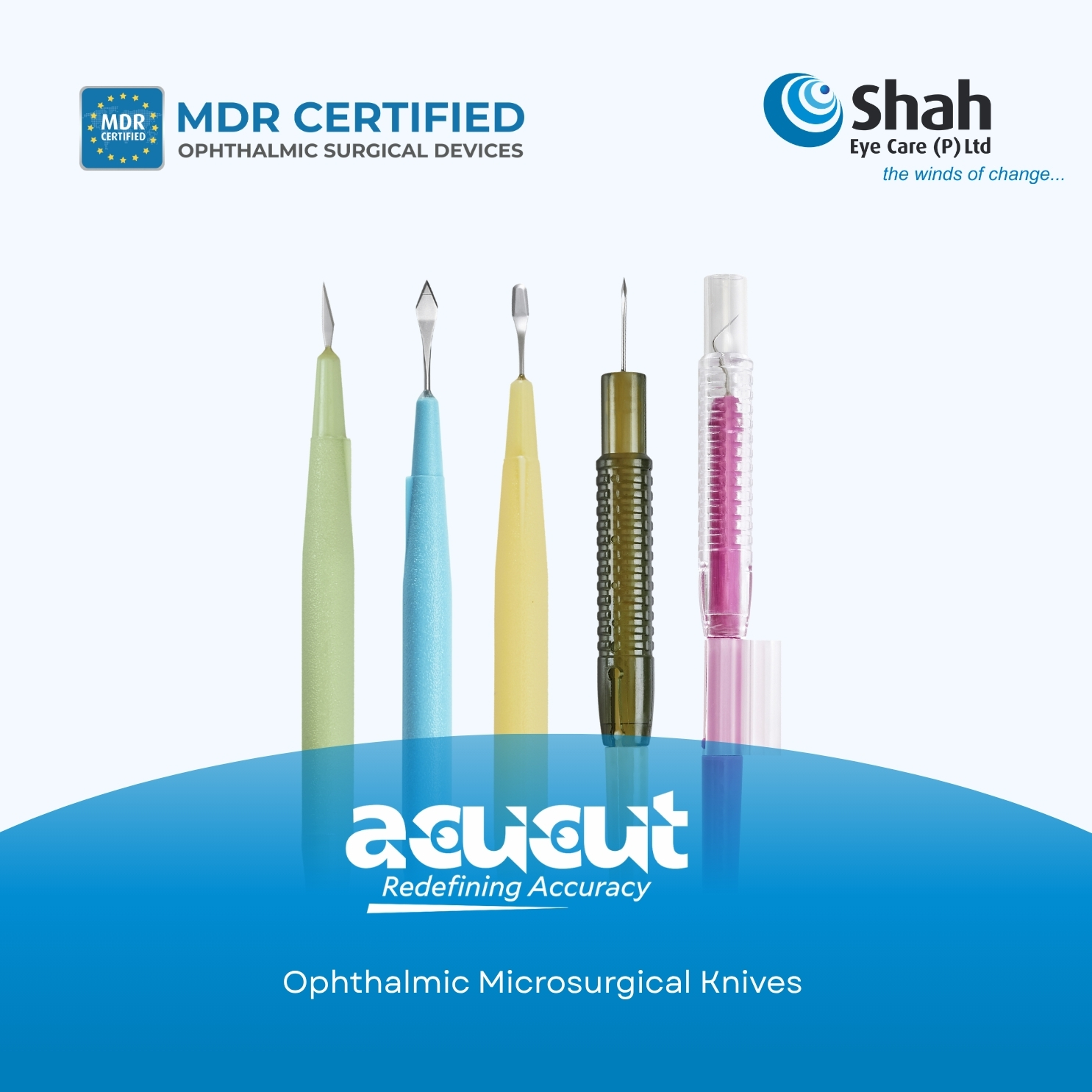
Shah Eye Care manufactures its Acucut and Acucut Safety Disposable Ophthalmic Microsurgical Knives using Electro Etching Technology adapted from Germany. The manufacturing approach focuses on producing consistent cutting edges and a smooth surface finish.
The company also uses vacuum-purified, double-melt-hardened and tempered stainless steel for its blades, supporting the strength and ductility required for consistent incisions.
These manufacturing details matter when manufacturers consider quality and regulatory expectations together.
Consistency Is a Quality Requirement
In ophthalmic surgery, consistency matters from one blade to the next. Surgeons need instruments that perform predictably and provide the expected level of control during delicate procedures.
Shah Eye Care develops the Acucut range with features such as consistently even edges, anti-glare surfaces, ergonomic handles and depth indicators. These features support visibility, handling and controlled incision creation.
A strong quality system helps manufacturers maintain this consistency rather than depending only on the final inspection of a product.
One Range, Multiple Ophthalmic Applications
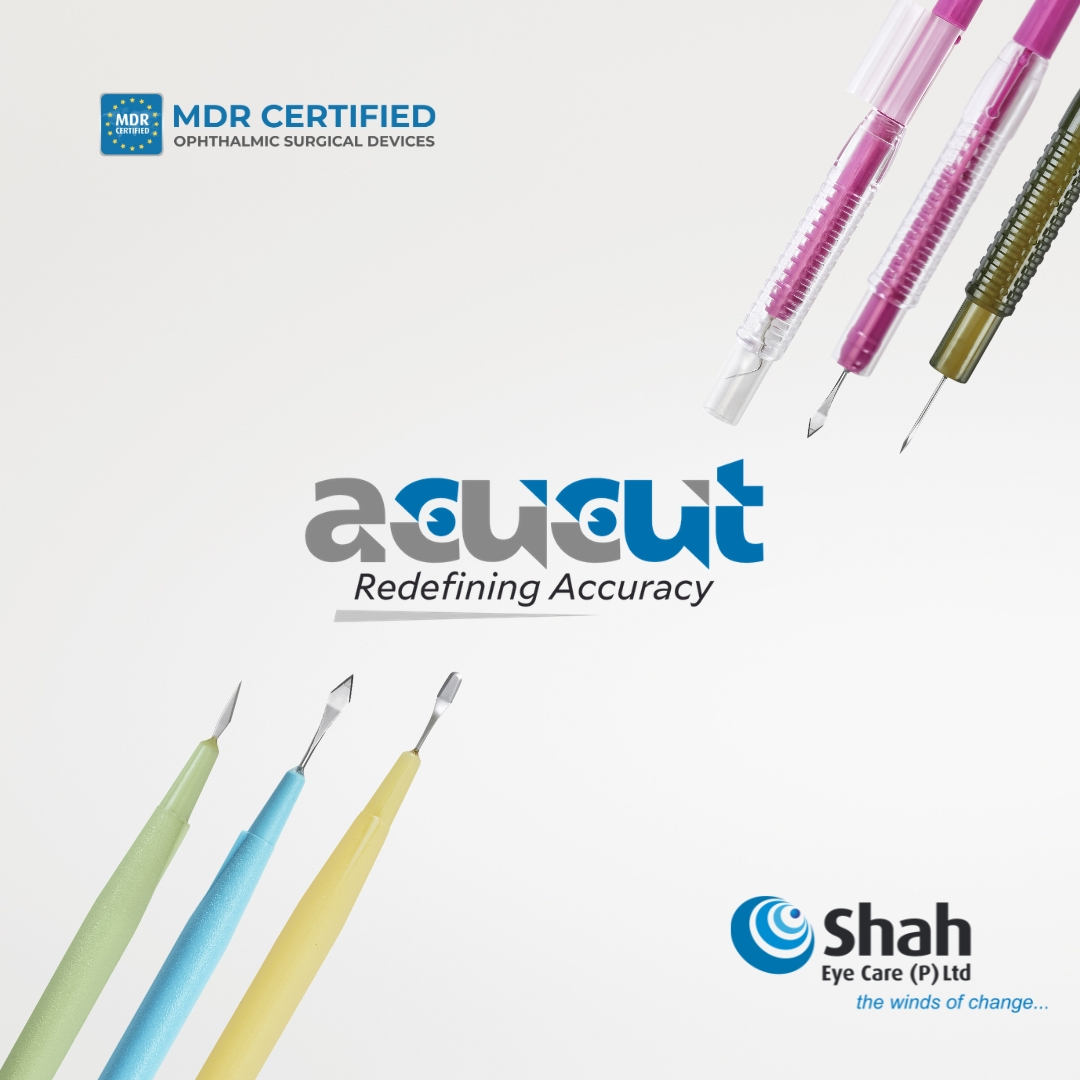
Acucut includes Side Port / Stab, Crescent, Slit / Keratome, Clear Cornea, MVR and Paracentesis Knives. The range includes different dimensions, cutting profiles, bevel configurations and blade geometries.
This variety makes manufacturing discipline even more important. Whether the requirement is a clear corneal incision, a side port or a vitrectomy-related incision, each blade needs to meet its intended design and performance requirements.
MDR Alongside Global Quality Credentials
MDR certification is part of a broader quality and regulatory approach at Shah Eye Care.
The company’s product documentation lists CE 2803, ISO 13485:2016, USFDA registration, CDSCO registration and EUDAMED registration, along with other certifications and registrations.
Having these credentials across different regulatory frameworks reflects the company’s focus on serving ophthalmic markets beyond a single region. The brochure also highlights the company’s global presence across multiple countries.
A Stronger Standard for Every Incision
At Shah Eye Care, the focus extends beyond producing disposable ophthalmic knives. Through Acucut and Acucut Safety, the company brings together specialised manufacturing technology, material selection, product design and regulatory compliance.
With MDR certification supporting its ophthalmic product portfolio, Shah Eye Care continues to focus on delivering medical devices designed around quality, consistency and the evolving requirements of ophthalmic care.
Subscribe to our YouTube channel for more videos: https://www.youtube.com/@ShahEyeCare
Explore the product here: https://shaheyecare.com/acucut/