The Role of an I/A Cannula in Removing Residual Lens Cortex
Cataract surgery involves removing the cloudy natural lens and replacing it with an intraocular lens. After the cataract has been removed, irrigation and aspiration (I/A) may be used to remove remaining lens cortex from the capsular bag.
This stage requires an instrument that can deliver irrigation fluid and aspirate the material being removed. An I/A Cannula forms part of this process, depending on the instrument design. Irrigation supplies fluid to the surgical area, while aspiration removes fluid along with the targeted residual material.
The two functions work together as part of the procedure. Their purpose is not simply to move fluid, but to support the removal of remaining material while the surgeon manages the surgical site.
How Irrigation and Aspiration Openings Serve Different Functions
The irrigation and aspiration openings have different purposes, even though they are used within the same system.
The irrigation openings allow fluid to enter the surgical area. The aspiration opening provides a passage through which fluid and targeted material can be removed. The dimensions and arrangement of these openings are therefore relevant characteristics of the instrument.
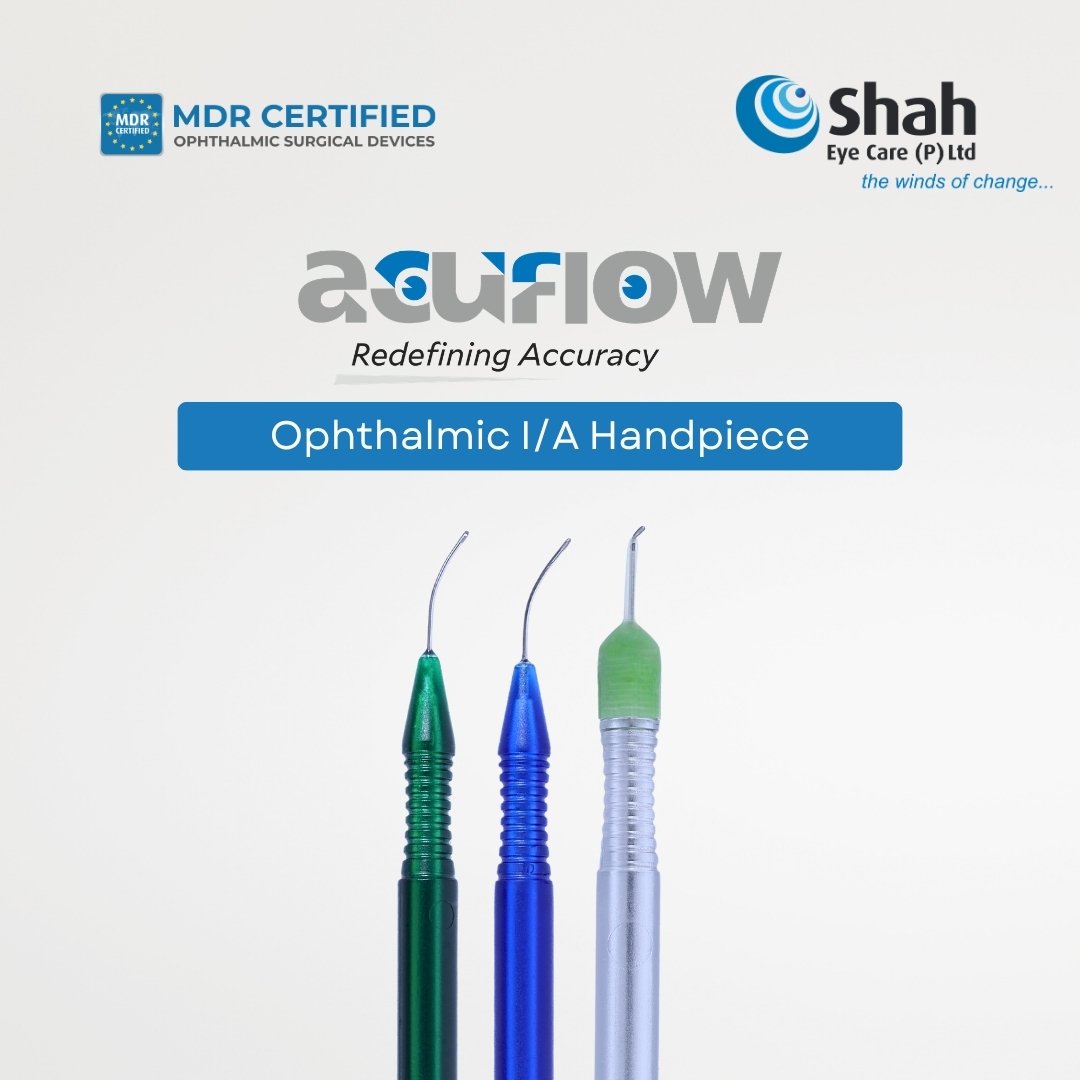
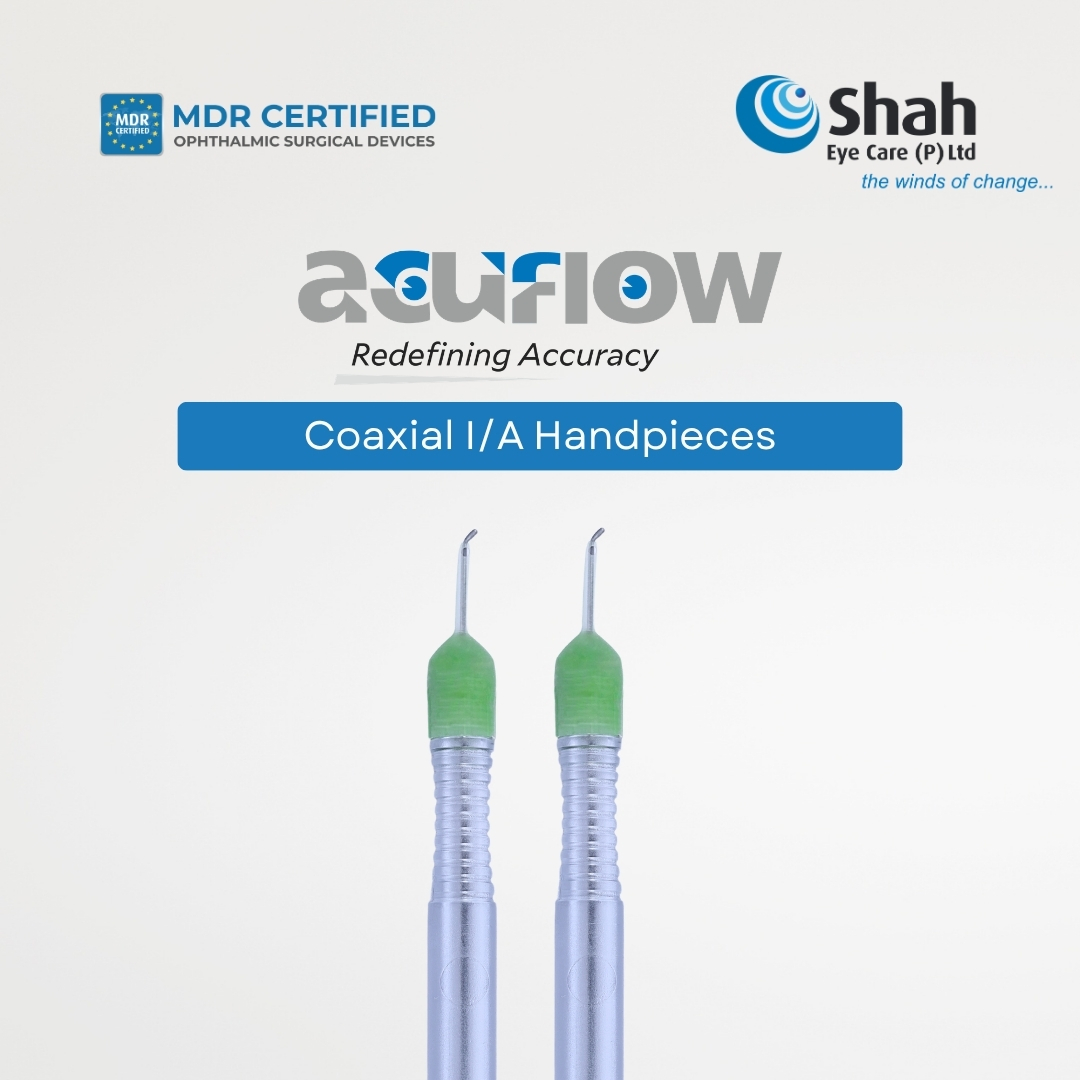
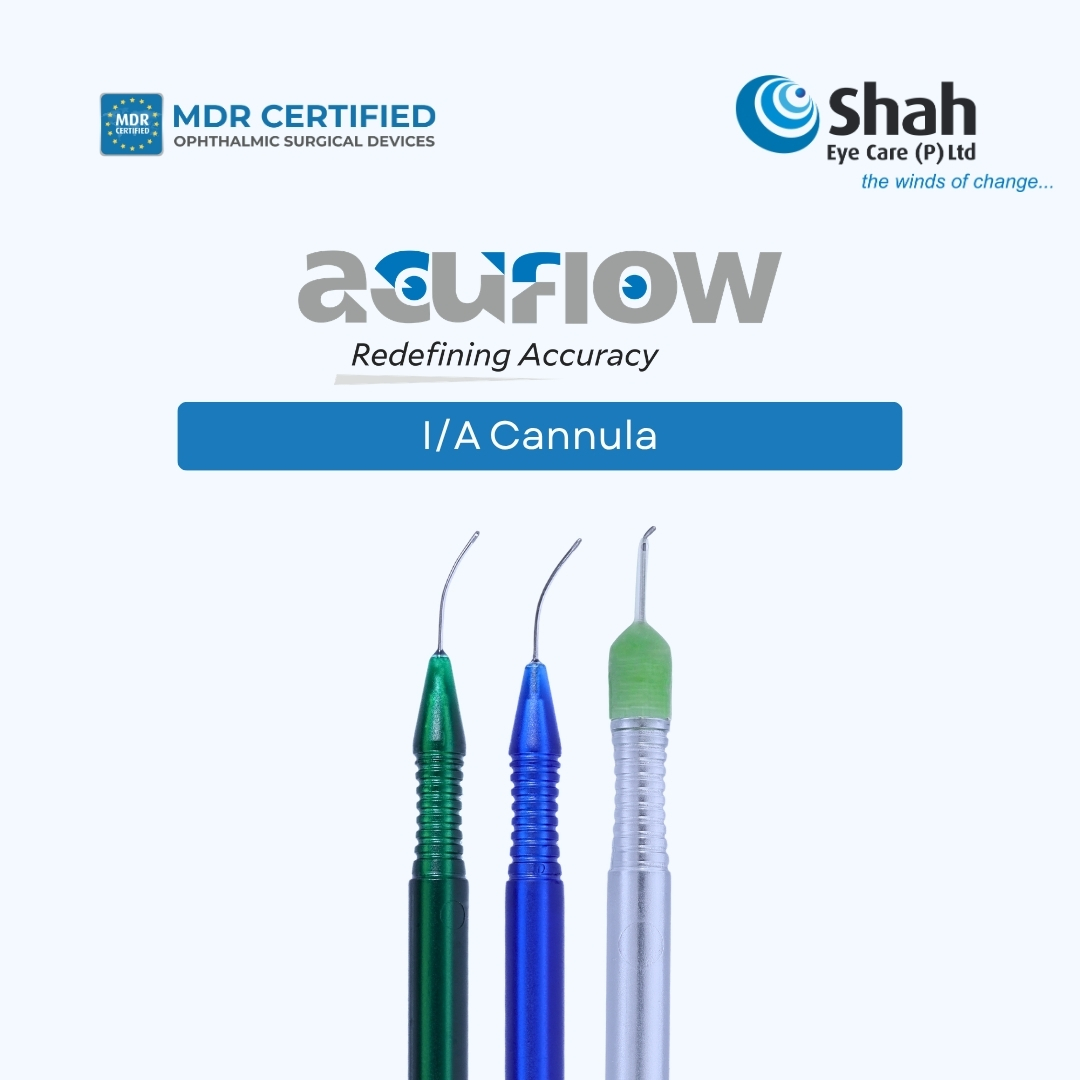
In the Acuflow Bimanual I/A range from Shah Eye Care, the brochure specifies two irrigation openings of 0.50 mm and an aspiration opening of 0.35 mm. The Acuflow Coaxial I/A brochure lists two irrigation openings of 1.20 mm and an aspiration opening of 0.35 mm.
These specifications describe the respective product configurations. They should not be interpreted as a direct measure of surgical performance, since the complete system design and the conditions of use also matter.
Why Residual Cortex Removal Requires Careful Instrument Use
Following cataract removal, some cortical material may remain around the capsular bag. Removing this material is an important part of completing the procedure and preparing the capsular bag for intraocular lens placement.
During irrigation and aspiration, the surgeon must work around delicate intraocular structures. The instrument is used according to the surgical technique, with attention to the position of its tip and the surrounding tissue.
The I/A Cannula is one component of this process; it does not independently determine the outcome of surgery. The surgeon’s judgement, technique, equipment settings and appropriate use of the instrument all remain important.
Coaxial and Bimanual I/A: How the Arrangements Differ
The main difference between coaxial and bimanual I/A systems is how irrigation and aspiration are arranged.
Coaxial I/A: Irrigation and aspiration are incorporated into a single handpiece arrangement. This provides both functions through one instrument assembly.
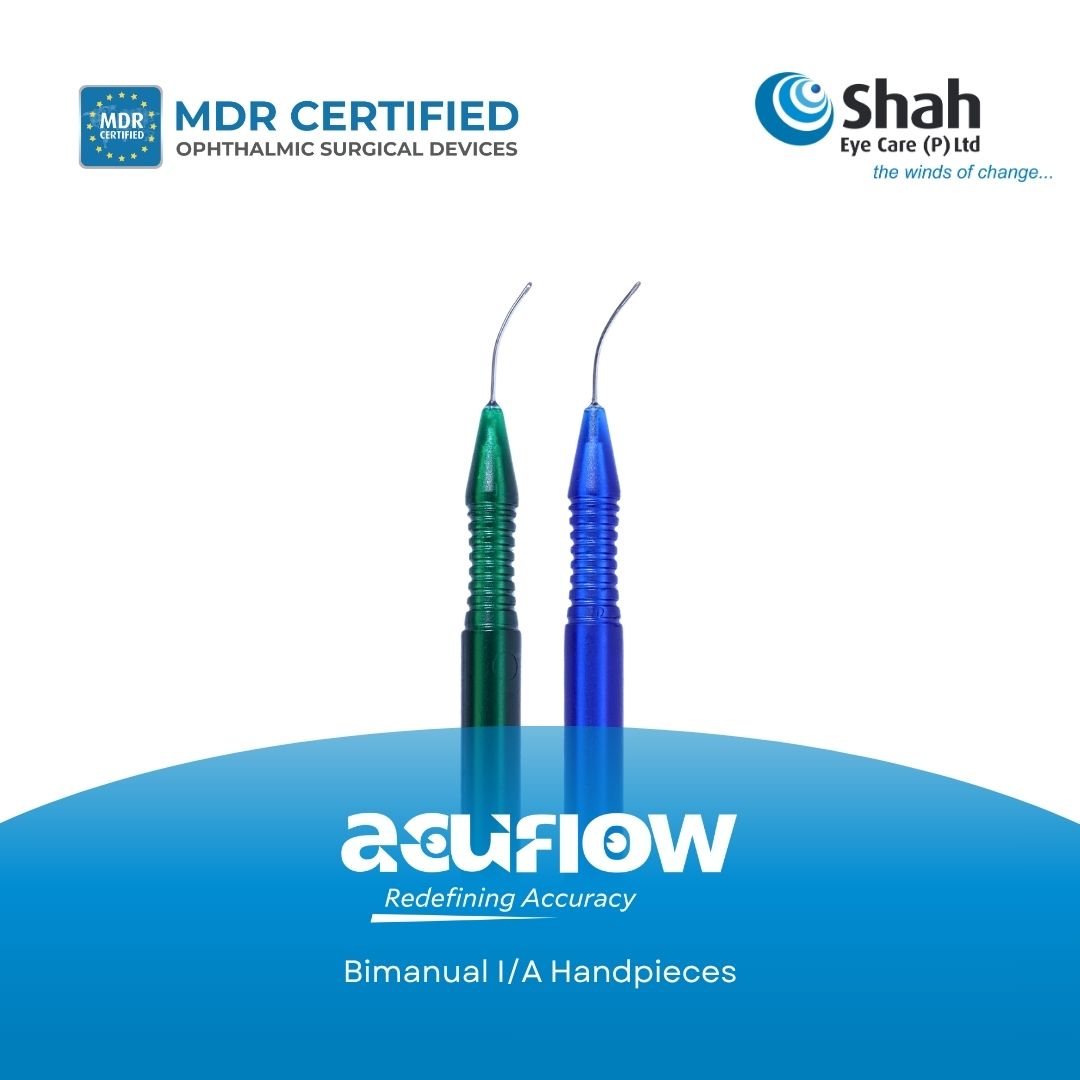
Bimanual I/A: Irrigation and aspiration are performed using separate handpieces. One instrument delivers irrigation fluid, while the other is used for aspiration.
These arrangements offer different ways of carrying out the I/A stage. The choice depends on the surgeon’s technique, the procedural requirements and the instruments available. Neither arrangement should be described as universally better for every cataract procedure.
How Instrument Dimensions and Tip Configuration Matter
Gauge, tip dimensions and tip angle are important details when reviewing an ophthalmic instrument. They describe the instrument’s physical configuration and help clinical professionals identify the model suitable for the intended application.
For example, the Acuflow Coaxial I/A range includes straight, 45-degree and 65-degree configurations in the models listed in the brochure. The Acuflow Bimanual I/A range includes 21G, 22G and 23G options.
These differences are useful when reviewing product specifications. However, gauge alone does not establish which instrument is appropriate for a particular patient or procedure. Selection should follow the surgeon’s requirements, equipment compatibility and the manufacturer’s instructions for use.
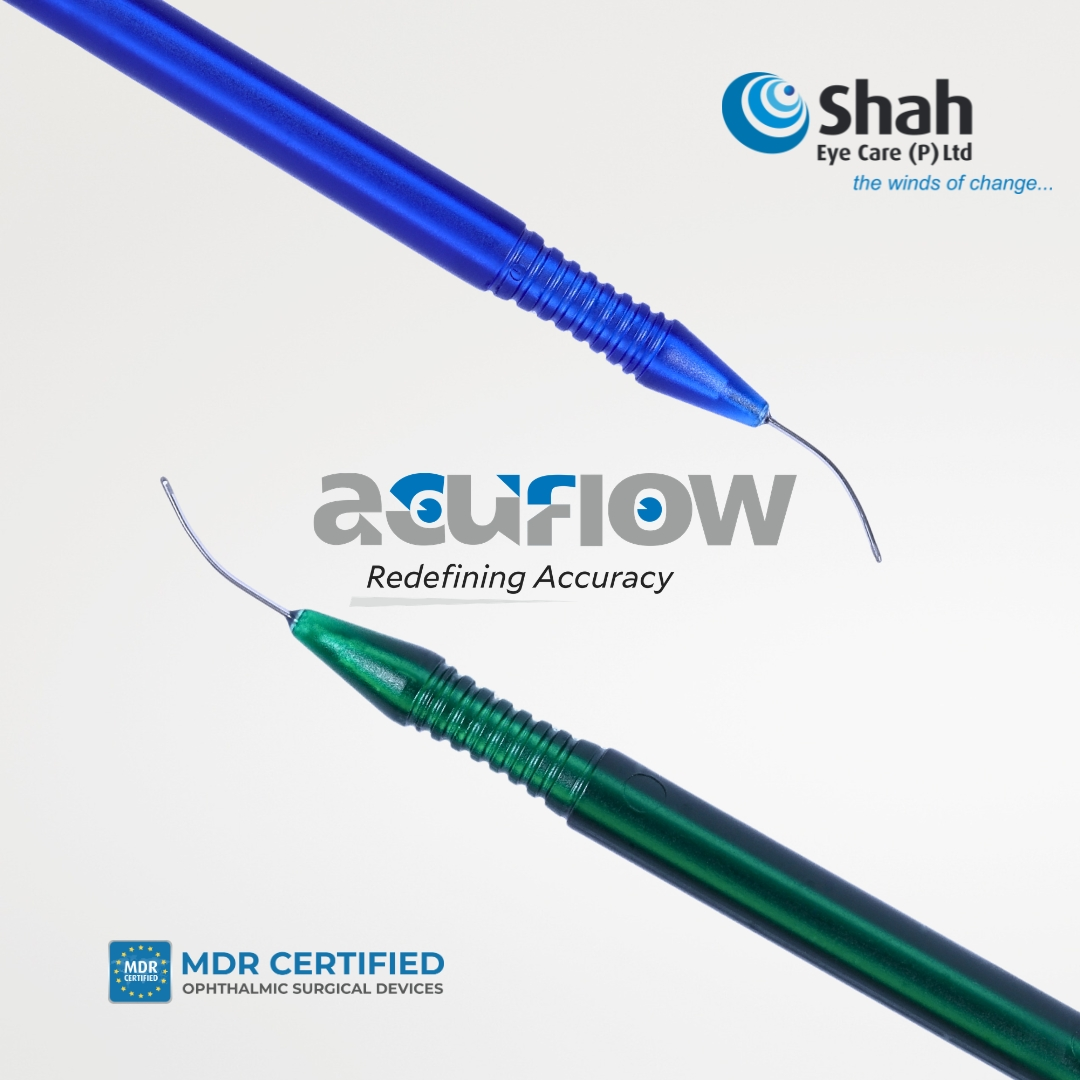
Acuflow I/A Handpieces from Shah Eye Care
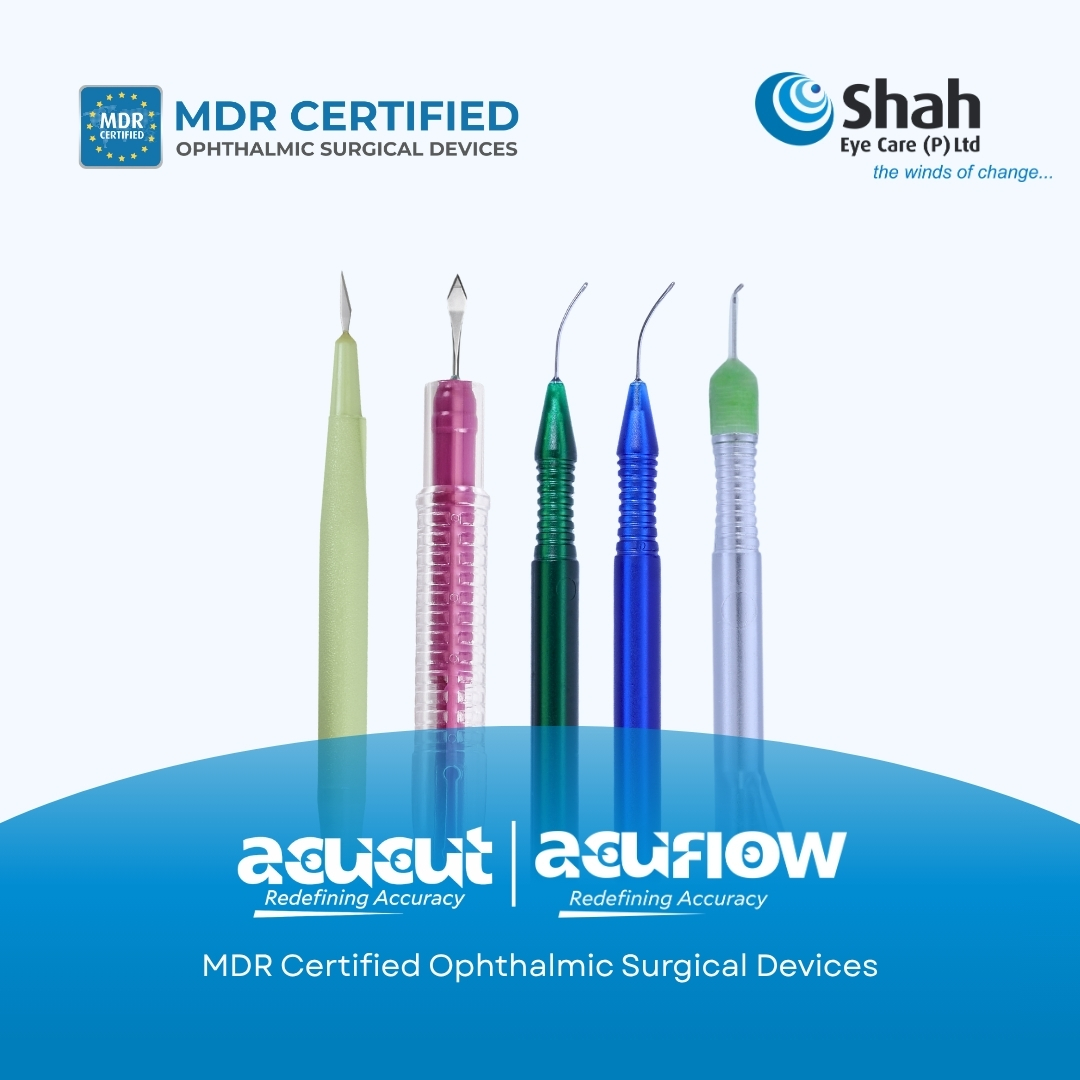
Shah Eye Care’s Acuflow range includes coaxial and bimanual irrigation and aspiration handpieces intended for use with compatible irrigation and aspiration tubing systems. According to the supplied brochures, the products are compatible with phacoemulsification and vitrectomy devices.
The range includes different gauge and tip configurations, transparent handles and male and female Luer connectors, depending on the product. The brochures also specify ethylene oxide (EtO) sterilisation for the supplied instruments.
For ophthalmic professionals reviewing an I/A Cannula or I/A handpiece, the individual model’s specifications and instructions for use should be checked before selection and clinical application.
Stay connected with us on Instagram for more updates: https://www.instagram.com/shah_eye_care/#
Explore the product here: https://shaheyecare.com/acuflow-coaxial-ia-handpiece/