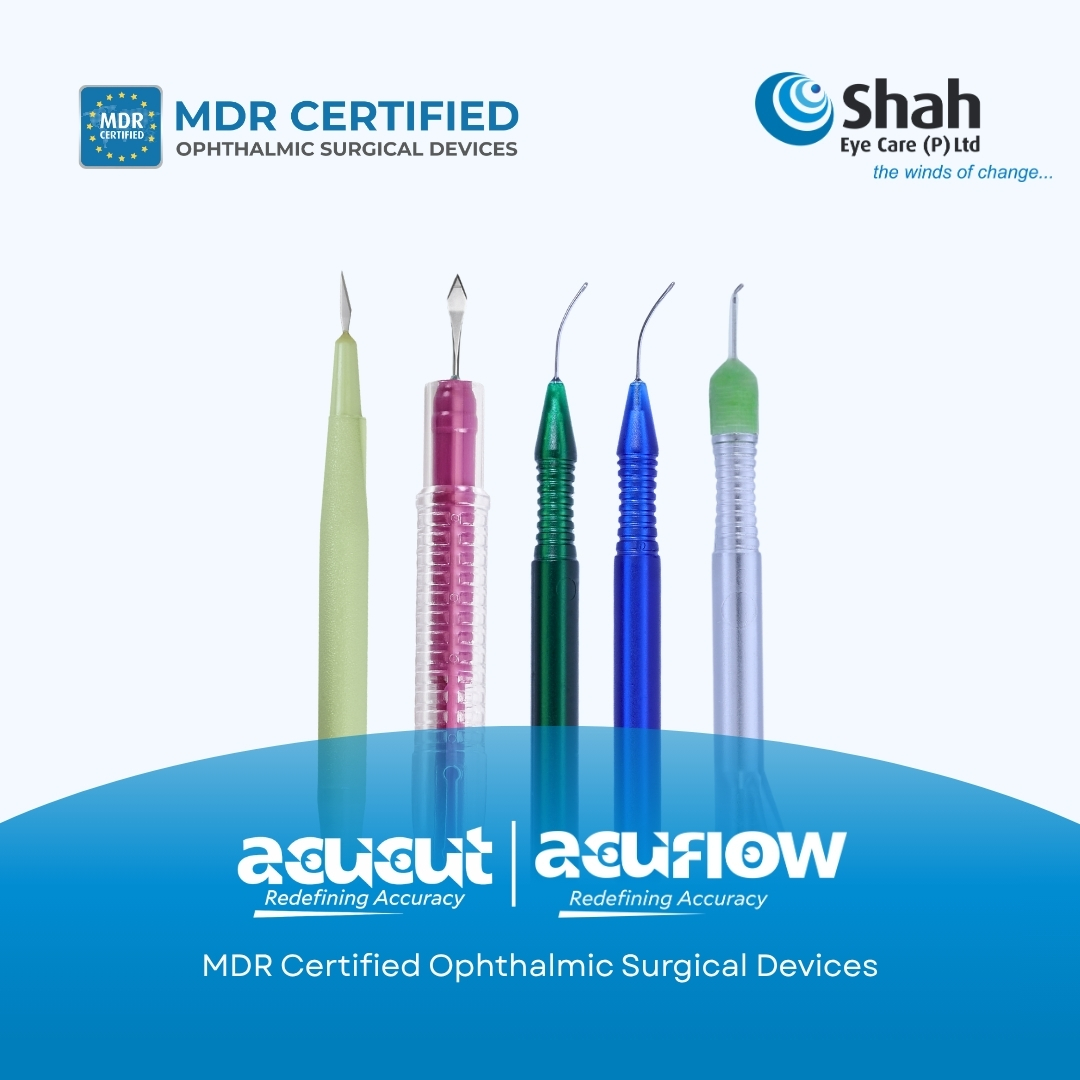
Modern ophthalmic surgery depends on several factors working together, from the surgeon’s technique to the instruments used during the procedure. Among these, fluid management plays an important role in supporting surgical visibility and maintaining the working environment inside the eye. This is where a Bimanual Irrigation Aspiration Cannula becomes relevant.
Designed to support separate irrigation and aspiration functions, bimanual instruments allow surgeons to manage fluid delivery and fluid removal through two independent handpieces. Understanding how this approach works helps explain why instrument design, handling and compatibility deserve attention when selecting ophthalmic surgical devices.
Why Fluid Management Matters During Ophthalmic Surgery
During procedures such as cataract surgery, maintaining an appropriate fluid balance is an important part of the surgical process. Irrigation supplies fluid to the surgical area, while aspiration removes fluid and unwanted material. Both functions need to work in coordination throughout the procedure.
A well-designed irrigation and aspiration system supports the surgeon in managing these tasks while working within the eye’s delicate structures. The design of each handpiece, including its opening, tip and fluid pathway, contributes to how the instrument performs during use.
For ophthalmic professionals, the focus is not only on removing material but also on how consistently the instruments support the procedure.
How Does a Bimanual Irrigation Aspiration Cannula Work?
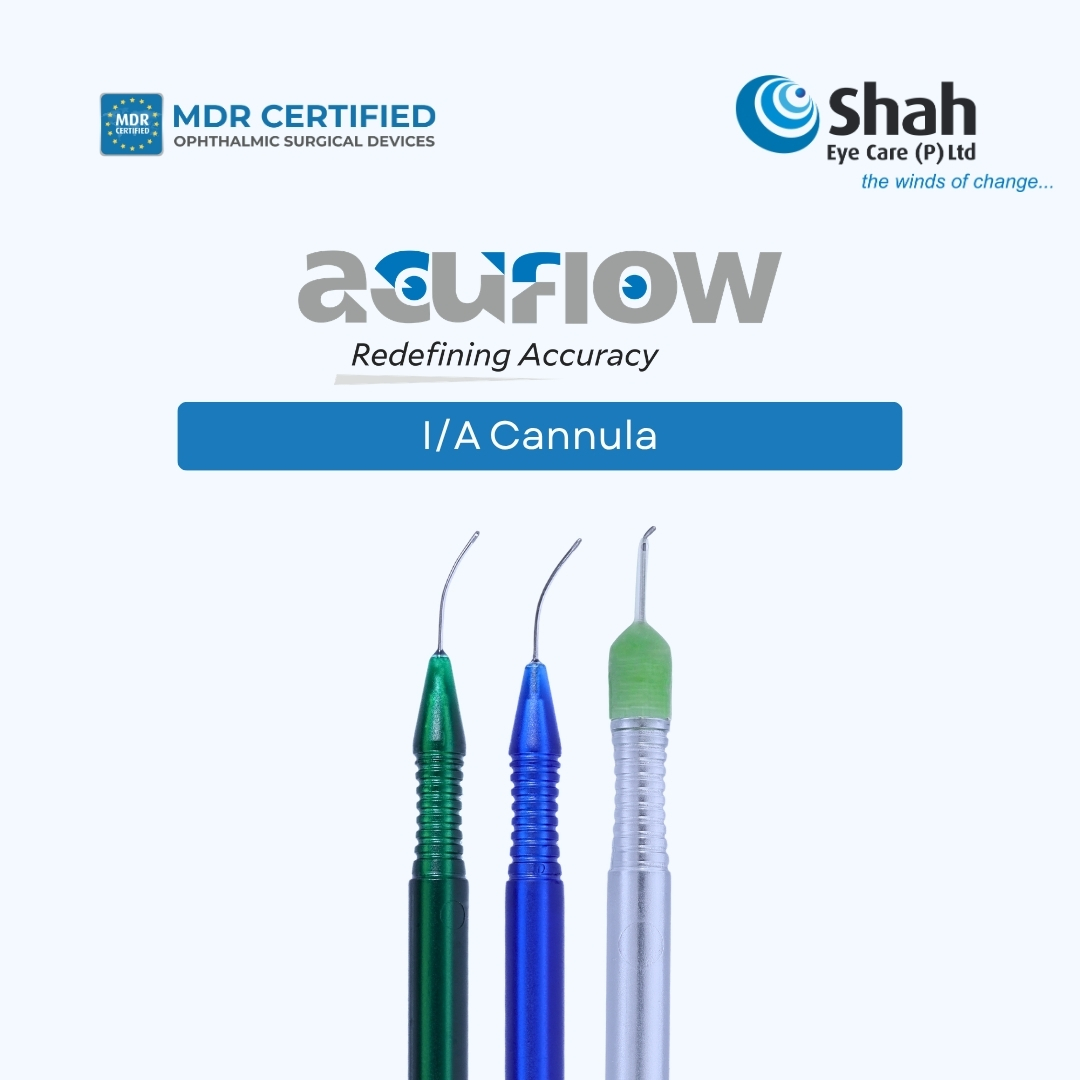
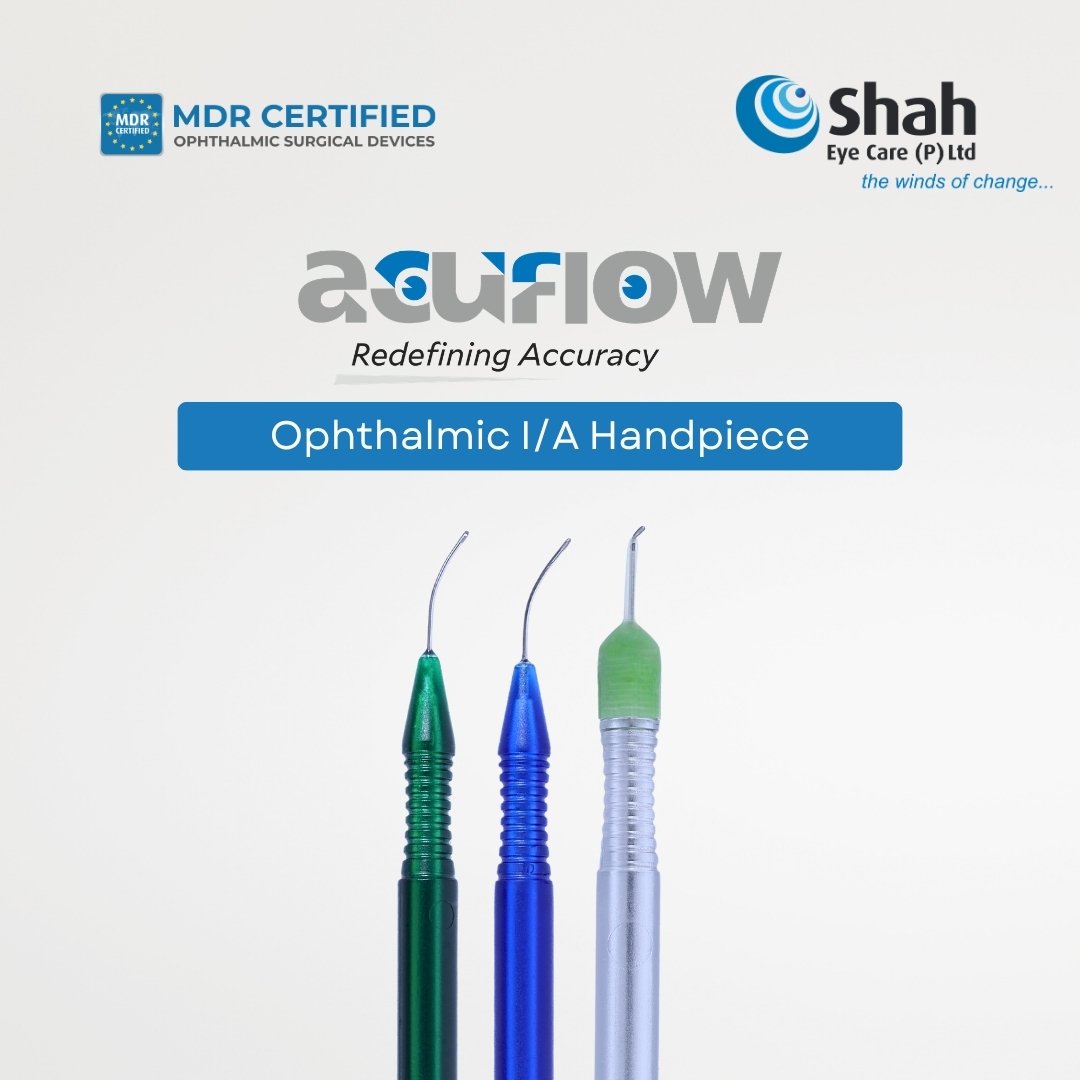
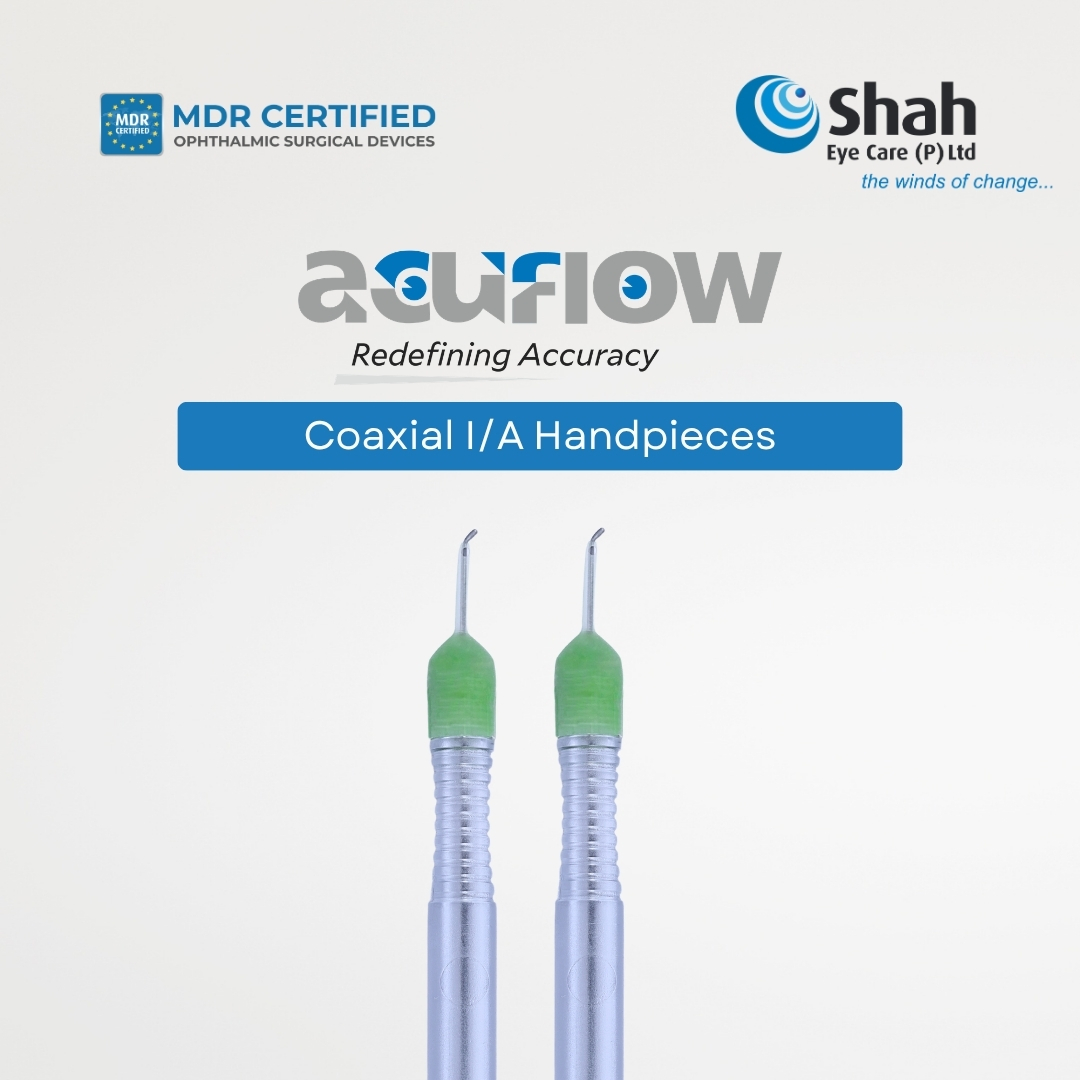
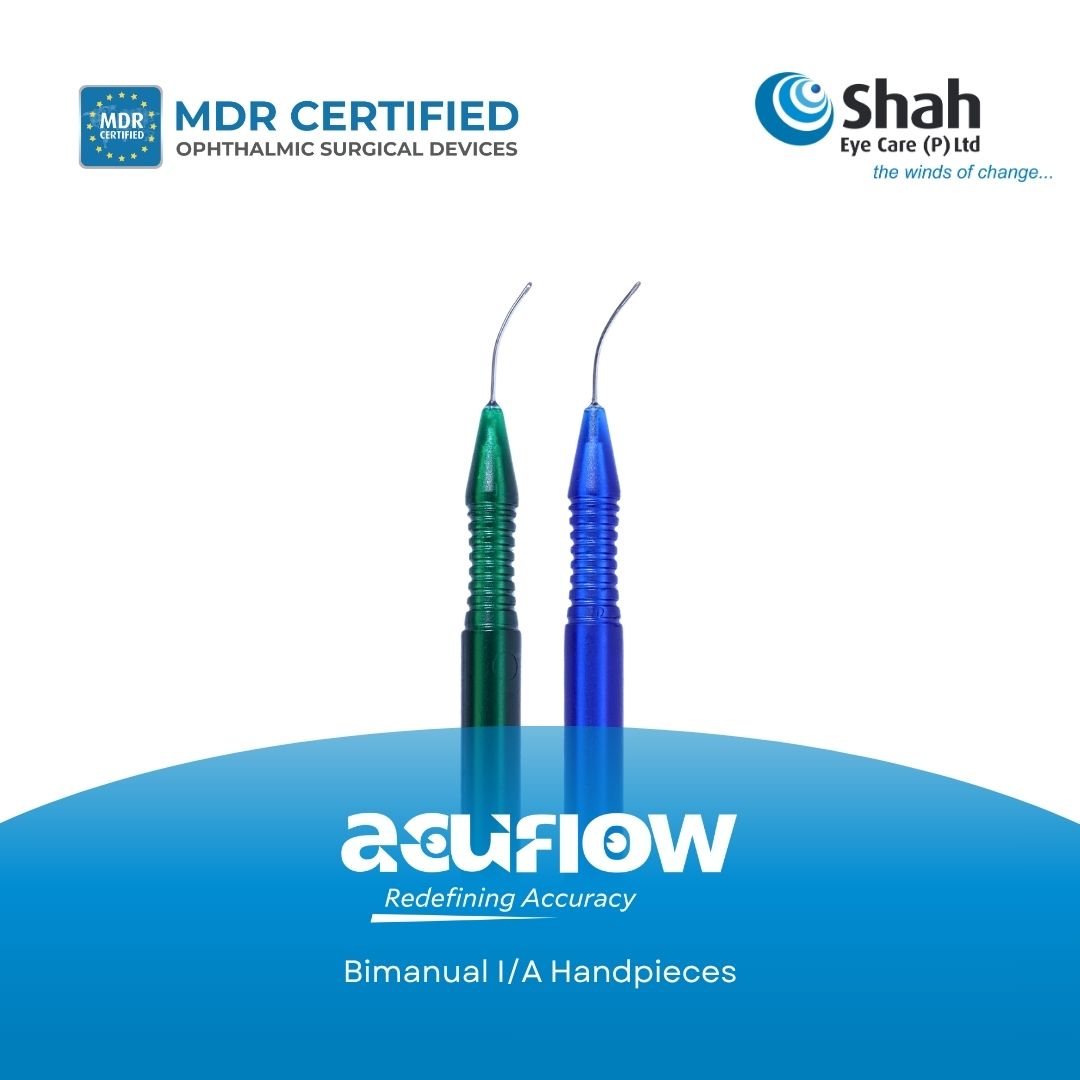
A Bimanual Irrigation Aspiration Cannula system uses two separate handpieces: one for irrigation and another for aspiration. This differs from a coaxial arrangement, where both functions are combined within a single handpiece.
With the bimanual approach, the irrigation handpiece delivers fluid while the aspiration handpiece removes fluid and material from the surgical area. This separation allows the surgeon to manage the two functions independently, according to the requirements of the procedure.
The effectiveness of this arrangement also depends on the instrument’s construction, the dimensions of its openings and its compatibility with the supporting equipment. These details make the choice of handpiece an important consideration for ophthalmic surgical teams.
Small Design Details That Influence Instrument Handling
When working with delicate ophthalmic instruments, the design of individual components deserves close attention. Handle construction, tip finish and fluid passage dimensions all contribute to the instrument’s overall usability.
A few aspects worth considering include:
- Handle visibility: Transparent handles help users observe fluid flow through the instrument.
- Tip construction: The finish and material of the tip are important considerations when selecting a surgical handpiece.
- Fluid passage design: The dimensions and arrangement of the openings influence how irrigation and aspiration are delivered through their respective handpieces.
- Ergonomic handling: Handle design can support comfortable instrument manipulation during a procedure.
- Equipment connection: Compatible connectors help establish the required connection between the handpiece and the tubing system.
These details may appear small, but together they form an important part of evaluating an ophthalmic instrument for its intended application.
Choosing the Right Gauge for the Intended Procedure
Gauge selection is another consideration when evaluating a Bimanual Irrigation Aspiration Cannula system. Different gauge options provide healthcare professionals with alternatives suited to the requirements of the procedure and their equipment setup.
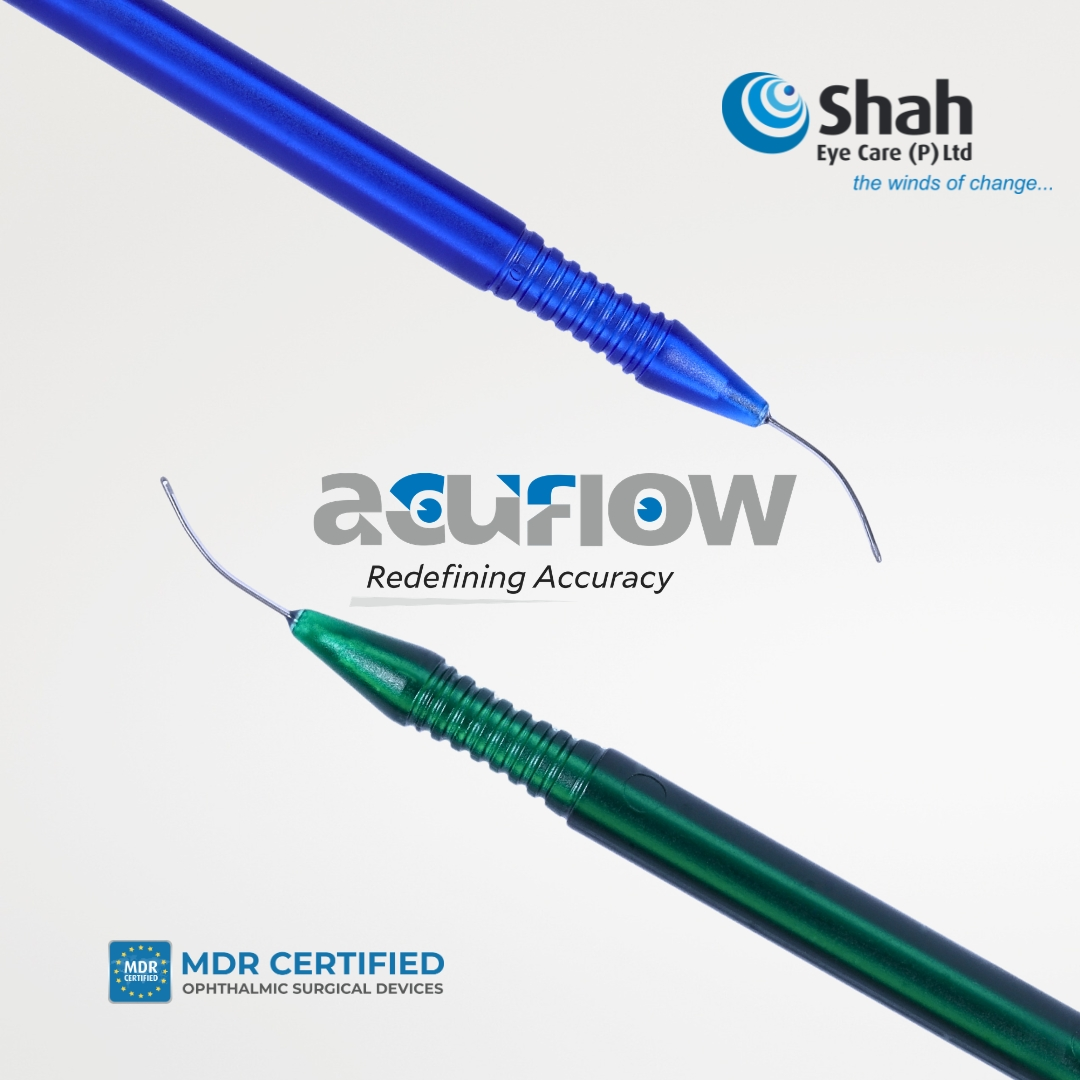
For example, the Acuflow Bimanual I/A Handpieces from Shah Eye Care are available in 21G, 22G and 23G configurations. The product range includes separate irrigation and aspiration handpieces, with specifications varying according to the selected gauge.
Before choosing a configuration, surgical teams should review the product specifications, equipment compatibility and requirements of the intended procedure. This helps ensure that the selected instrument matches the planned surgical setup.
Acuflow Bimanual I/A Handpieces from Shah Eye Care
At Shah Eye Care, the Acuflow Bimanual I/A Handpieces are designed for use with irrigation and aspiration tubing systems and are compatible with phacoemulsification and vitrectomy devices, as specified in the product brochure.
The range includes transparent ergonomic handles, stainless steel handpiece tips, thin-wall construction and standard male and female luer connectors. The irrigation handpiece features two 0.50 mm openings, while the aspiration handpiece has a 0.35 mm opening. The devices are supplied as single-use, ETO-sterilised products.
Available in 21G, 22G and 23G configurations, Acuflow offers options for ophthalmic professionals evaluating bimanual irrigation and aspiration instruments for their intended applications.
Looking for a Bimanual Irrigation Aspiration Cannula to add to your product portfolio?
Explore the Acuflow Bimanual I/A Handpieces: https://shaheyecare.com/acuflow-bimanual-ia-handpieces/
Connect with us on LinkedIn: https://in.linkedin.com/company/shah-eye-care