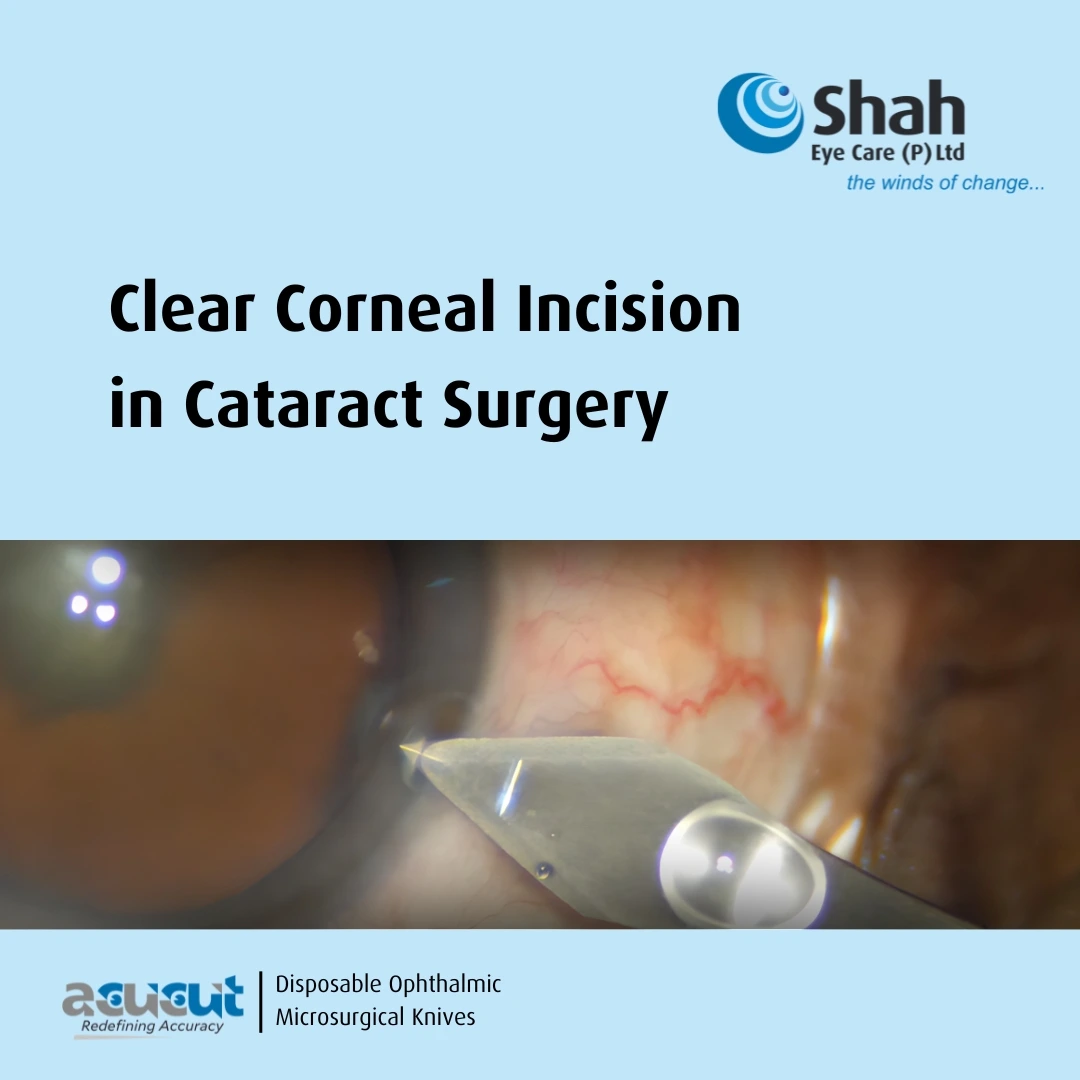
Cataract surgery is a routine procedure today, but protecting the corneal endothelium remains an important concern for every surgeon. Endothelial cells are delicate and non-regenerative, and even small variations during surgery can affect post-operative corneal clarity and recovery.
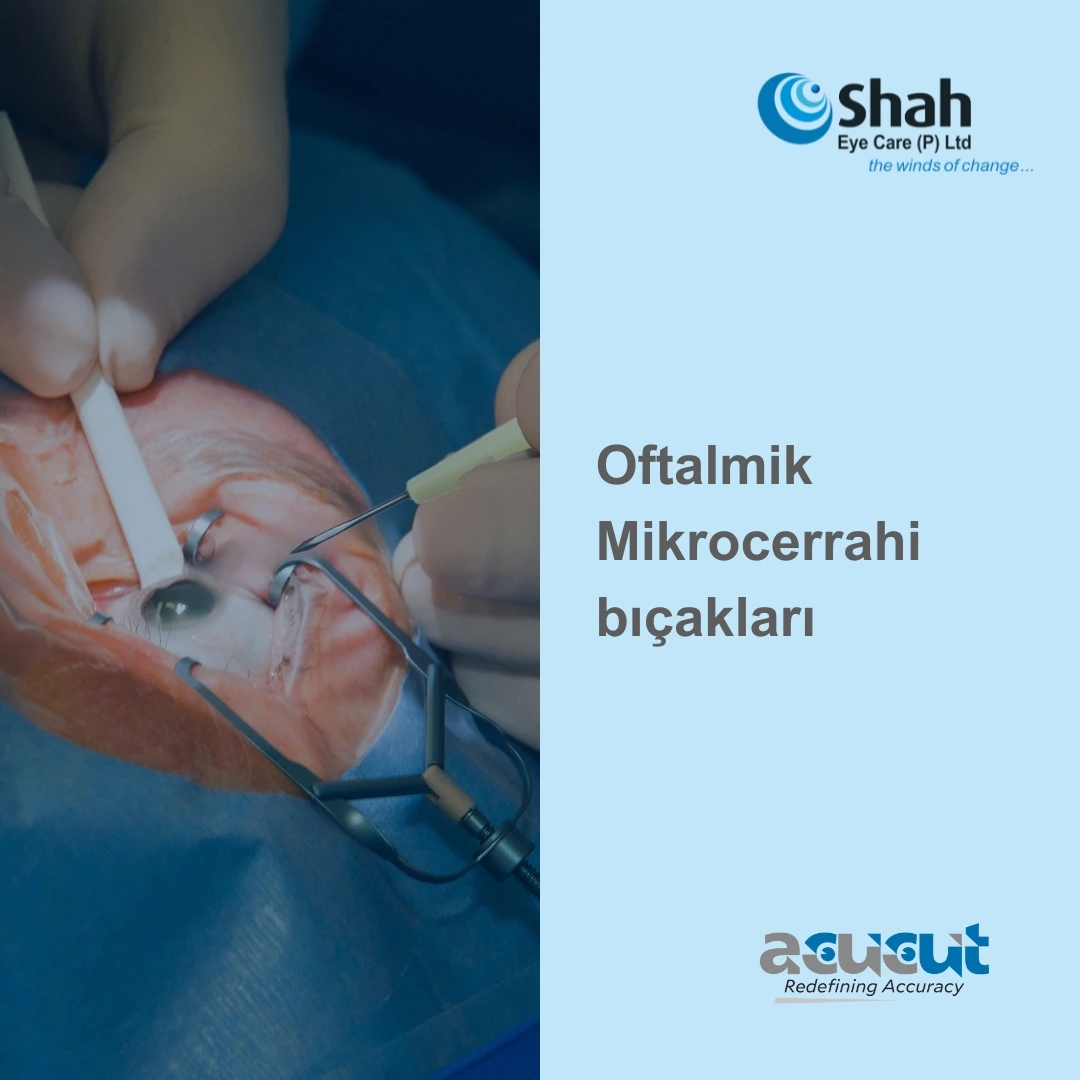
One of the earliest steps that influences endothelial cell safety is CCI in cataract surgery. A well-planned and well-executed clear corneal incision (CCI) helps maintain stable surgical conditions inside the eye and supports smoother surgical handling.
Why Endothelial Cell Loss Needs Attention in Cataract Surgery
The corneal endothelium plays a key role in maintaining corneal transparency by regulating fluid balance. During cataract surgery, endothelial cells can be affected by multiple factors, such as:
- Surgical entry and wound construction
- Phacoemulsification energy and intraocular turbulence
- Instrument movement within the anterior chamber
- Fluctuations in intraocular pressure
If endothelial stress is high, patients may experience corneal edema, delayed visual recovery, and temporary reduction in visual quality after surgery.
CCI in Cataract Surgery: More Than Just an Entry Point
In CCI in cataract surgery, the clear corneal incision is not only an entry for instruments. It also plays a role in chamber stability, fluid control, and instrument movement throughout the procedure.
A properly constructed clear corneal incision helps to:
- Maintain a stable anterior chamber
- Reduce unnecessary corneal distortion
- Allow smooth and controlled instrument handling
- Support self-sealing wound architecture
Together, these factors help reduce avoidable stress on the corneal endothelium.
Incision Quality and Surgical Handling
The quality of the incision depends on the surgeon’s technique as well as the cutting instrument used. A clean and well-defined incision allows predictable wound dimensions and controlled access during cataract surgery.
On the other hand, irregular or uneven incisions may lead to:
- Wound stretch during surgery
- Increased manipulation at the incision site
- Anterior chamber instability
- Higher endothelial exposure to fluid turbulence
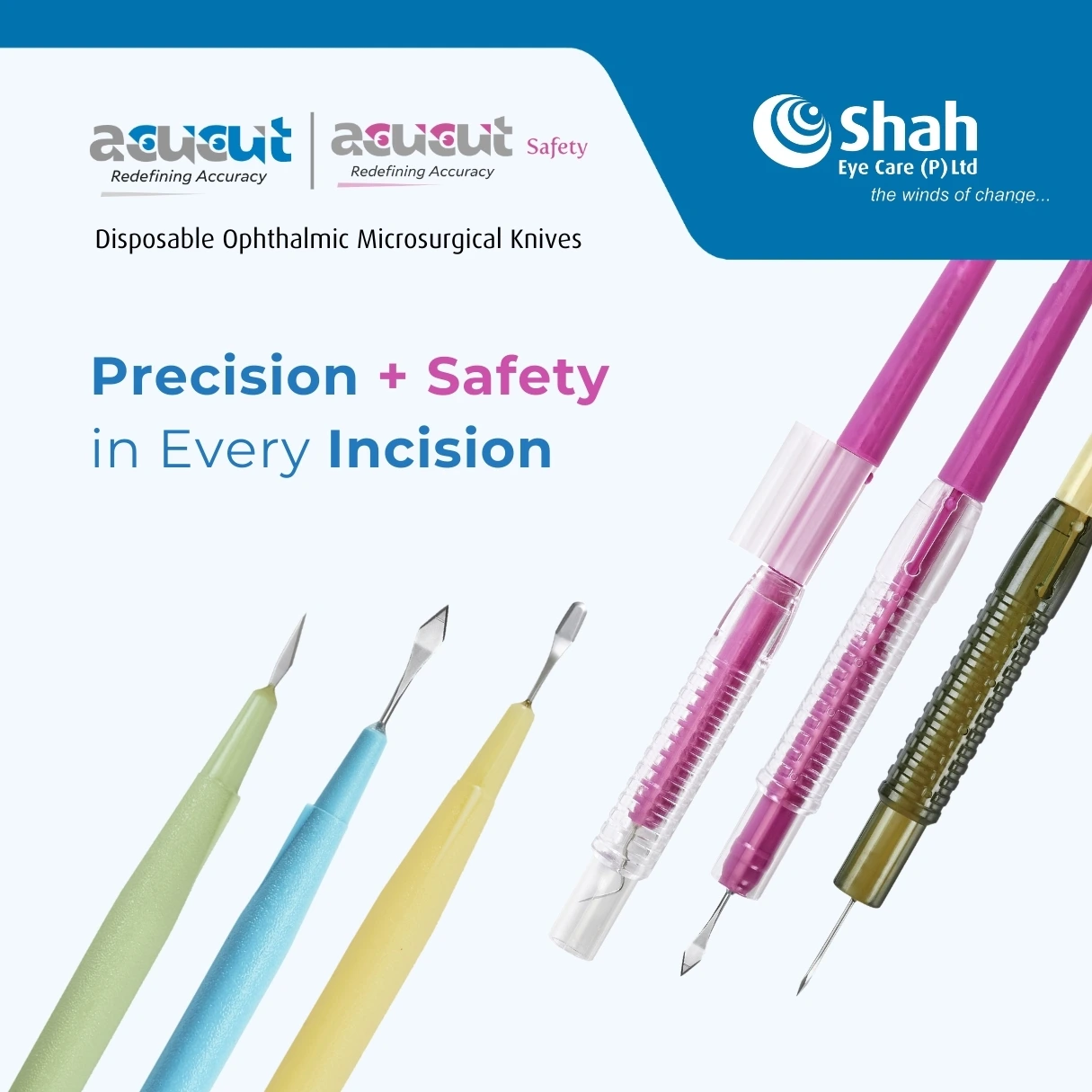
Role of Ophthalmic Microsurgical Knives in CCI Creation
Ophthalmic microsurgical knives are designed to support accurate and controlled incision formation, without directly influencing surgical outcomes.
When used appropriately, they assist in:
- Creating smooth corneal entry with minimal resistance
- Achieving consistent incision depth and width
- Supporting biplanar or triplanar clear corneal incisions
- Reducing tissue drag at the wound site
This consistency allows surgeons to maintain focus on the surgical steps without repeated adjustments at the incision.
Practical Tips for Endothelium-Friendly CCI in Cataract Surgery
To further reduce endothelial stress during CCI in cataract surgery, surgeons may consider:
- Using micro-incisions suitable for their phaco technique
- Ensuring correct incision angulation and placement
- Avoiding unnecessary wound enlargement
- Maintaining controlled fluidics
- Using viscoelastic agents to protect the endothelium
Each of these steps contributes to smoother surgery and better post-operative corneal clarity.
Supporting Surgical Precision – Shah Eye Care
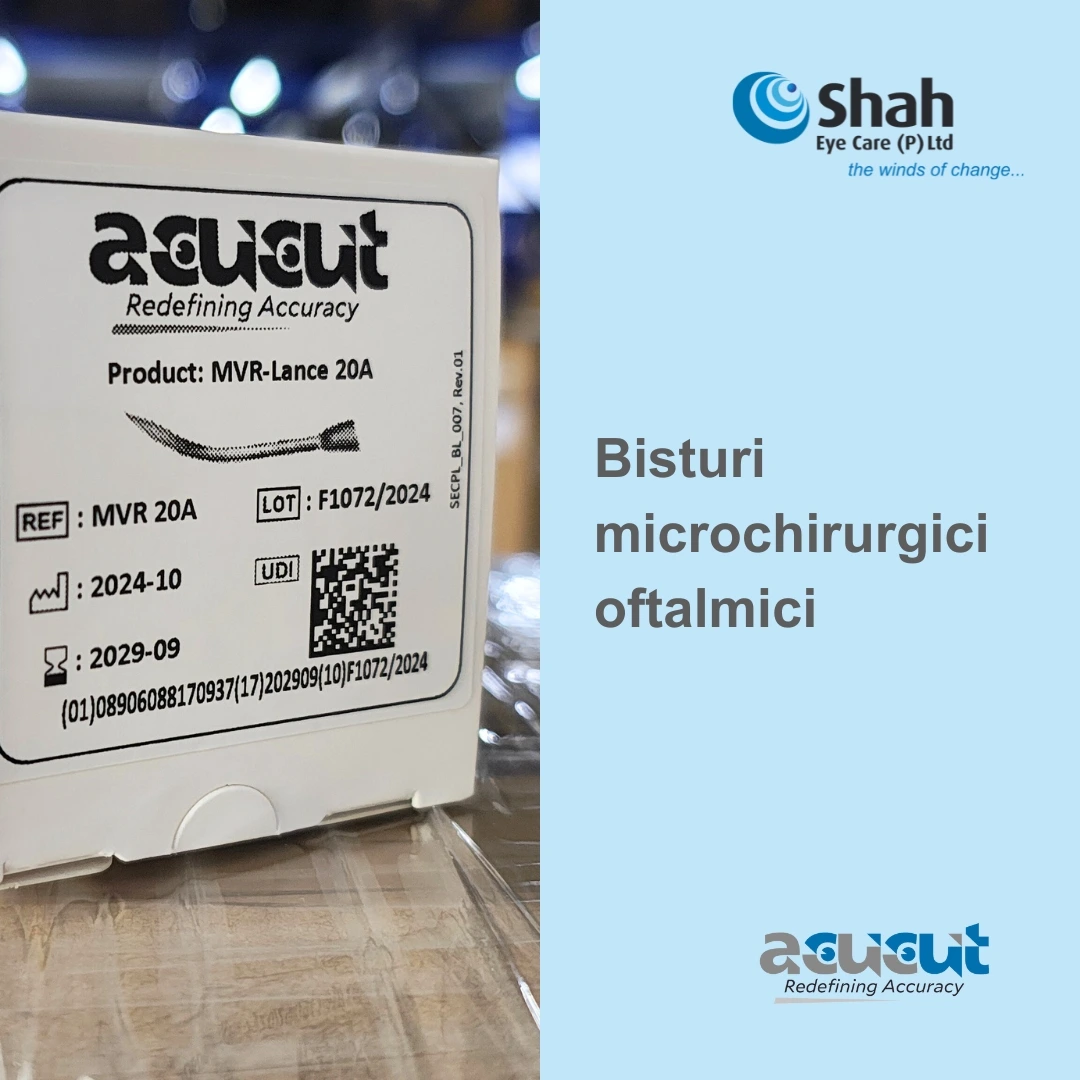
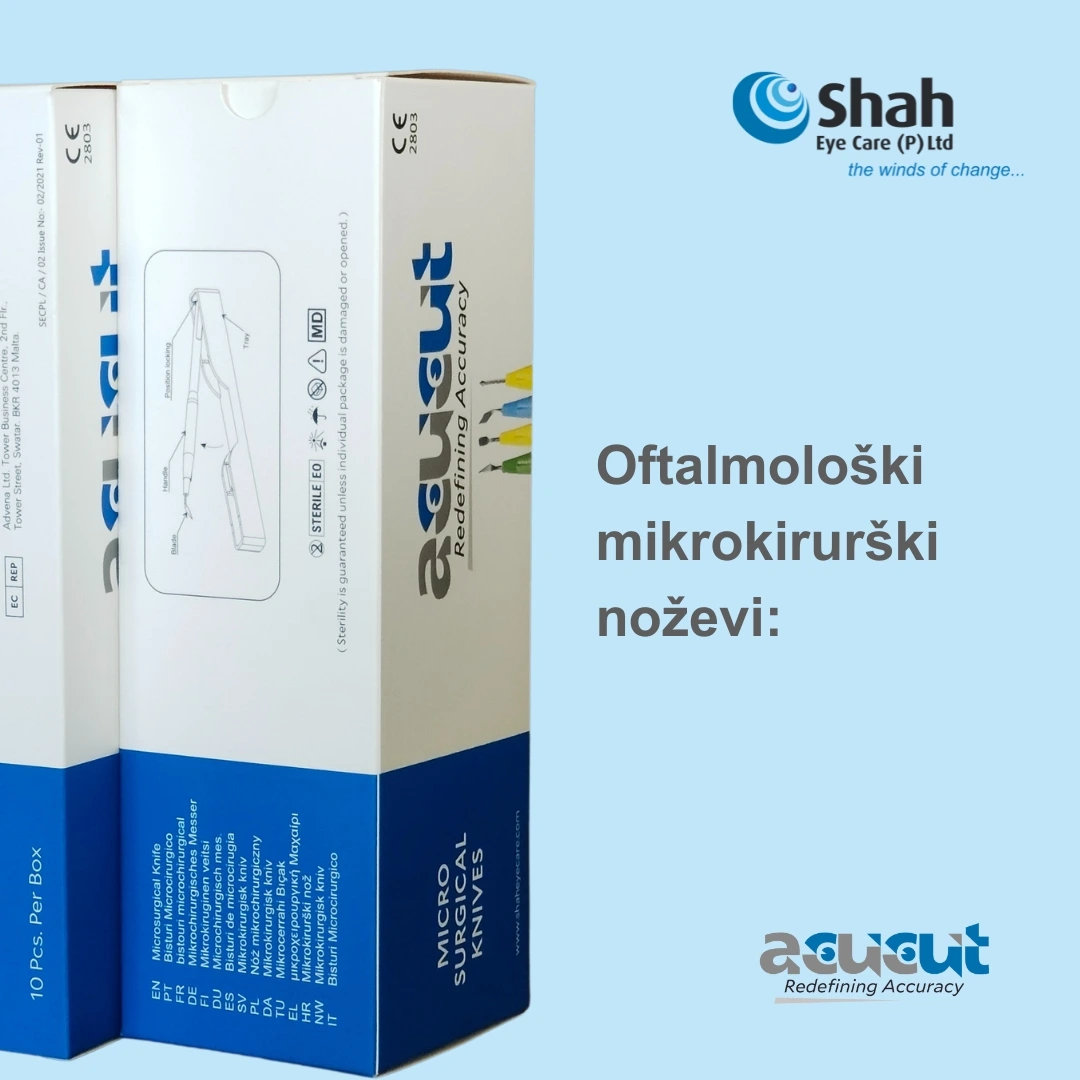
At Shah Eye Care, we manufacture ophthalmic microsurgical knives with a focus on consistency, controlled sharpness, and reliable incision performance. Our aim is to support surgeons in achieving predictable clear corneal incisions in cataract surgery that align with their individual technique.
Careful incision planning, appropriate surgical handling, and dependable instruments together help reduce unnecessary endothelial stress during cataract surgery.
Read more on our website: https://shaheyecare.com/
Stay connected with us on LinkedIn: https://in.linkedin.com/company/shah-eye-care